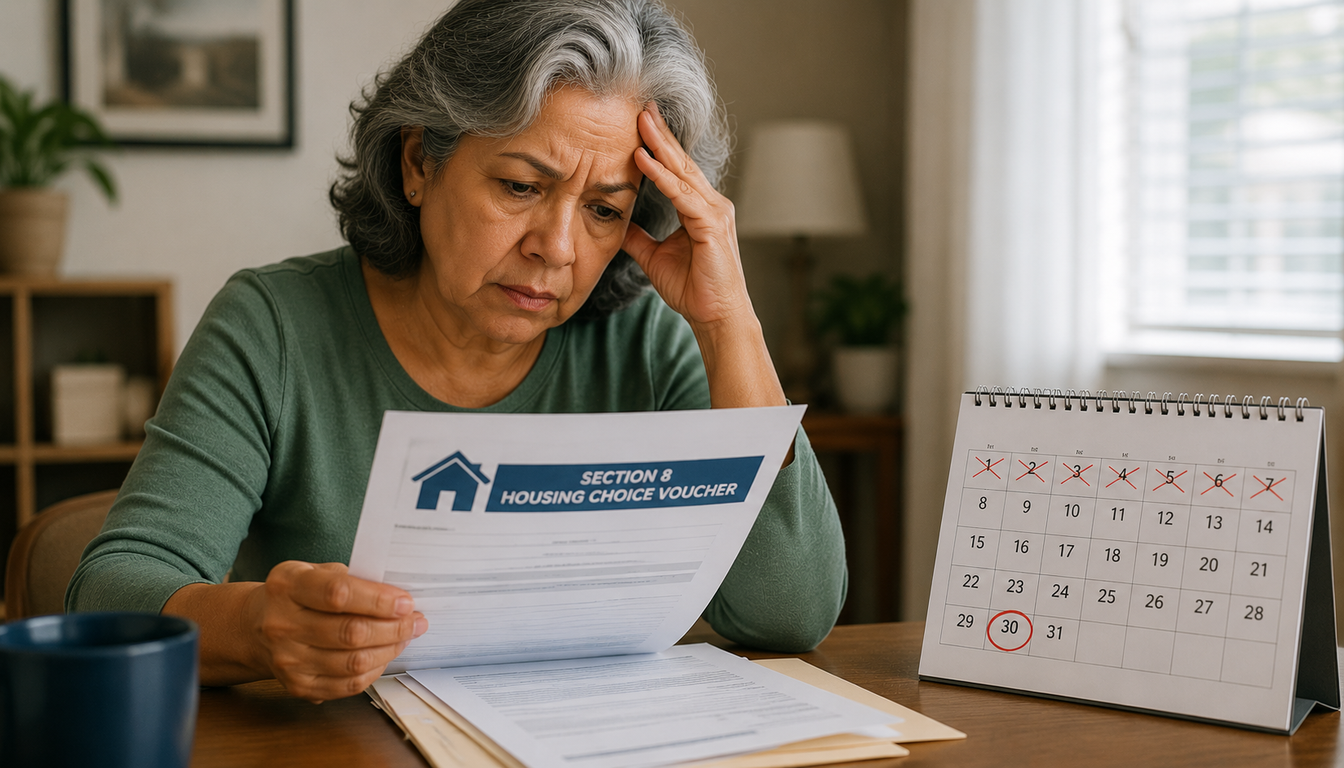

Yes — in most cases, you can. This is one of the most valuable and least understood features of the Section 8 Housing Choice Voucher Program. The ability to take your voucher with you when you move is called portability, and it gives voucher holders a level of flexibility that most people don't realize they have.
But portability comes with rules, timelines, and a specific process you need to follow. Moving without understanding those rules first can put your voucher at risk. This article explains everything you need to know — how portability works, when you're eligible to use it, what steps to take, and what to watch out for.
What Is Voucher Portability?
Voucher portability is the official term for using your Section 8 Housing Choice Voucher to move outside the jurisdiction of the housing authority that issued it. That could mean moving to a different neighborhood covered by a different PHA, a different city, a different county, or an entirely different state.
The right to portability is built into federal law. According to HUD's Housing Choice Voucher portability guidelines, participants who meet the eligibility requirements have the right to move anywhere in the United States where a PHA administers the Section 8 program — which is essentially everywhere.
This is one of the defining features that separates a Housing Choice Voucher from other types of housing assistance. Unlike Public Housing or project-based rental assistance — where the subsidy stays with a specific unit — a Housing Choice Voucher is designed to move with you.
When Are You Eligible to Port?
Not every voucher holder can use portability immediately. There are two common scenarios:
If you are a new voucher holder: Most PHAs require you to live in their jurisdiction for at least 12 months before you can port to a different area. This is called the residency requirement. The 12 months starts from the date you began receiving assistance — not the date you got on the waitlist or received your voucher.
There are exceptions to this rule. If you were already living in the PHA's jurisdiction when you applied for assistance, that residency requirement may not apply to you. And if you are moving to protect your safety — for example, fleeing domestic violence — different rules apply. HUD's Violence Against Women Act (VAWA) protections allow survivors to move immediately without meeting the standard residency requirement.
If you are an existing voucher holder who has been in the program for over 12 months: You are generally free to port at any time, as long as you follow the proper process.
If you are unsure whether you meet the residency requirement, contact your local Public Housing Authority (PHA) directly and ask.
How the Portability Process Works Step by Step
Portability involves two PHAs: the one that issued your voucher (called the initial PHA) and the one in the area you're moving to (called the receiving PHA). Here's how the process works:
Step 1: Notify your current PHA. Tell your initial PHA that you want to use portability. Do this in writing so you have a record. Your PHA will give you a portability packet — a set of documents that includes your voucher information, your current payment standard, and other details the receiving PHA will need.
Step 2: Contact the receiving PHA. Use HUD's PHA contact directory to find the housing authority in the area you're moving to. Contact them to let them know you're porting in. They will confirm that they're currently accepting incoming portable vouchers — not all PHAs accept ports at all times, so confirming this early is critical.
Step 3: Submit your paperwork to the receiving PHA. Your initial PHA will send your portability packet directly to the receiving PHA. The receiving PHA will then issue you a new voucher under their jurisdiction and their payment standards. This is important — your new voucher amount may be different from your original one, because payment standards vary by location.
Step 4: Find housing in the new area. Once you have your new voucher from the receiving PHA, you begin your housing search in the new jurisdiction. The same rules apply as always — the unit must pass a HUD housing quality inspection and the rent must fall within the receiving PHA's payment standard.
Step 5: Stay in contact with both PHAs throughout. Until your new lease is signed and your assistance is officially transferred, maintain communication with both your initial and receiving PHA. Gaps in communication during this stage are a common source of problems.
Key Things to Know Before You Port
Payment standards change by location. Every PHA sets its own payment standards based on HUD's Fair Market Rents for that area. Moving to a higher-cost city means the payment standard may be higher — and your voucher may cover more. Moving to a lower-cost area means the payment standard may be lower. This directly affects what you pay out of pocket, so research the payment standards in your destination before you commit to moving.
Not all receiving PHAs accept ports at all times. Some PHAs temporarily stop accepting incoming portable vouchers when their resources are stretched. Always confirm with the receiving PHA before making plans to move.
Your voucher clock doesn't pause during portability. If you have a deadline to find housing, that clock keeps running while the portability process is underway. Build extra time into your planning, and ask both PHAs what you can expect in terms of processing timelines.
Billing can work two ways. After you move, the receiving PHA can either absorb your voucher — taking full responsibility for it under their own funding — or bill your initial PHA, which keeps paying. In most cases, if you stay in the new area for a year, the receiving PHA will absorb the voucher. This is an administrative detail that doesn't affect you directly, but it's useful to know.
Start With a Clear Picture of Your Eligibility
Whether you're thinking about porting to a new city for work, family, or a better cost of living, the smartest first step is knowing exactly where you stand with your current voucher and your eligibility in the new area.
Section 8 AI generates a personalized housing eligibility report based on your income, household size, and location. If you're considering a move, you can use it to check what programs and payment standards look like in your destination area — giving you a realistic picture of what your voucher will cover before you start the portability process.
Go to Section 8 AI and get your personalized housing eligibility report. Know what to expect in your new location before you make the move, so every step of the process is informed and intentional.
What If You Haven't Applied Yet?
If you don't yet have a voucher but are thinking ahead about where you'd like to live, portability is still worth understanding. Once you receive a voucher — no matter which PHA issues it — you may have the right to use it anywhere in the country after your residency requirement is met.
This means the city where you first apply doesn't have to be the city where you end up. Some households strategically apply in areas with shorter waitlists, meet their residency requirement, and then port to a higher-cost or more desirable area where waitlists have been closed for years.
If you haven't started the process yet, check your eligibility and find out which waitlists near you are currently open. Section 8 AI shows you which programs are available in your area right now and gives you the information you need to make a strategic decision about where to apply first.
More Resources to Help You Plan Your Move
- HUD portability guidelines: hud.gov — HCV Portability — the official rules and participant rights
- Find your current or destination PHA: HUD's PHA directory
- Check Fair Market Rents in your destination: HUD's FMR database — look up payment standards before you commit to a move
- VAWA protections for survivors: HUD's VAWA page — immediate move rights for those fleeing domestic violence
- Find housing in your new area: Visit our partner site Section 8 Search to browse affordable housing listings and participating landlords in your destination city
The Bottom Line
Yes, you can use a Section 8 voucher to move to a different city or state. The portability process is real, it is a federal right, and thousands of voucher holders use it every year to relocate for better opportunities, closer family, or more affordable communities.
What makes it work is following the steps in the right order — notifying your current PHA, confirming the receiving PHA is accepting ports, and keeping communication open throughout the process.
Know your eligibility. Plan your move carefully. And if you're still working toward your first voucher, start now.
Visit Section 8 AI, get your personalized housing eligibility report, and take the first step — wherever you want that step to lead.