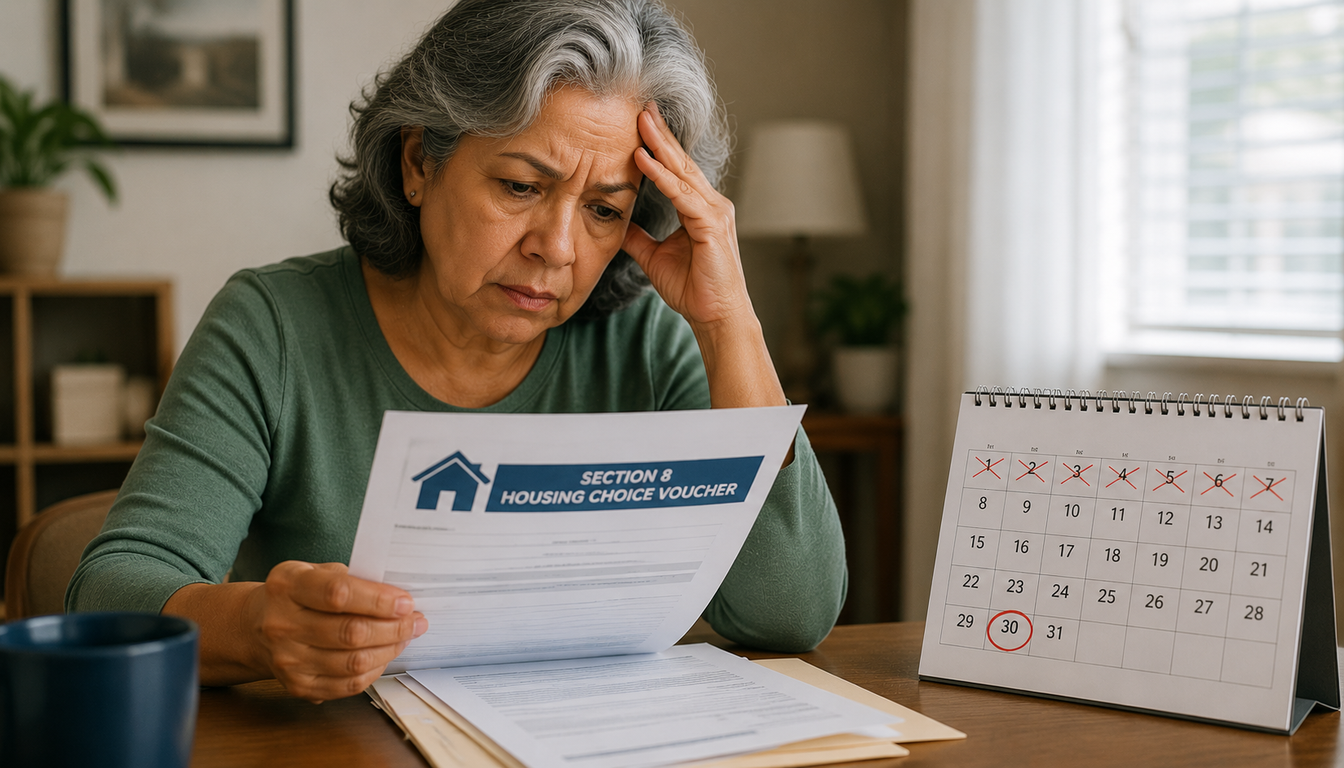

If you've ever wondered whether you qualify for housing assistance, you're not alone. Millions of Americans are eligible for programs they've never heard of — and many never apply simply because they don't know where to start. That's exactly what a housing eligibility report is designed to fix.
A modern housing eligibility report takes your basic information and matches it against available assistance programs in your area. It tells you what you may qualify for, what steps to take next, and what documentation you'll likely need. It's a starting point — clear, organized, and built around you.
What Is a Housing Eligibility Report?
A housing eligibility report is a summary of what housing assistance programs you may qualify for based on your income, household size, location, and other factors. Think of it like a personalized checklist that helps you understand your options without having to dig through government websites on your own.
These reports typically cover programs like:
- Section 8 (Housing Choice Voucher Program) – A federal program run by the U.S. Department of Housing and Urban Development (HUD) that helps low-income families, seniors, and people with disabilities pay for housing in the private market.
- Public Housing – Government-owned units rented to eligible low-income households at reduced rates through your local Public Housing Authority (PHA).
- State and Local Programs – Many states have their own rental assistance or homeownership programs beyond what the federal government offers.
What Information Goes Into an Eligibility Report?
To generate a useful report, a few basic details are needed. Here's what's typically used:
1. Household Income Your gross income (before taxes) is one of the biggest factors. Most housing programs use income limits based on the Area Median Income (AMI), which HUD publishes every year. Your household must fall at or below a certain percentage of AMI to qualify — usually 50% or 80%, depending on the program.
2. Household Size The number of people living with you matters. A family of four has different income limits than a single person. More people in the household often means a higher income limit, which can actually improve your chances of qualifying.
3. Location Housing programs are managed at the local level. Your city, county, or state determines which programs are available to you, what the income limits are, and how long the waiting list may be. Tools like HUD's Resource Locator can help you find programs near you.
4. Citizenship and Residency Status Most federal programs require at least one household member to be a U.S. citizen or eligible non-citizen. You can find more on this from HUD's guidelines on eligibility.
5. Rental History and Background Some programs check for prior evictions or criminal history. Each housing authority sets its own rules, so it's worth knowing what yours looks for.
How to Read Your Report
Once you have your eligibility report, here's what to look for:
Programs You May Qualify For This section lists the programs that match your profile. Each one should include a brief description and what the next step is — whether that's applying directly, joining a waitlist, or contacting your local housing authority.
Income Limits and Your Position Good reports compare your income to the local limits. For example, if the income limit for a family of three is $45,000 and your household earns $38,000, you're below the limit and likely eligible. The HUD Income Limits page is publicly available if you want to check these numbers yourself.
Waitlist Status Many programs have long waitlists. Some PHAs have waitlists that are closed entirely. Your report should flag whether the programs in your area are open or closed. You can also check directly with your local PHA.
Documents You'll Need A solid report will tell you exactly what paperwork to gather before you apply — things like proof of income, birth certificates, Social Security cards, and photo ID. Having these ready speeds up the process.
Why Getting a Report Makes a Real Difference
A lot of people skip the application process because they assume they won't qualify, or they don't know how to start. A housing eligibility report removes that guesswork. You get a clear picture of where you stand before investing time in applications.
It also helps you avoid common mistakes. Applying for a program you don't qualify for wastes time. Applying for one you do qualify for, but without the right documents, causes delays. A report helps you go in prepared.
This is exactly why we built Section 8 AI.
Get Your Housing Eligibility Report at Section 8 AI
At Section 8 AI, we make it simple to find out what you qualify for. Just answer a few basic questions about your household and location, and we'll generate a personalized report showing the programs most likely to be available to you.
No confusing forms. No searching through government websites. Just clear answers based on your real situation.
Ready to find out what you qualify for? Head to Section 8 AI and get your report today.
It takes just a few minutes, and it could open the door to housing assistance you didn't even know was available to you.
Don't Stop There — Explore More Resources
Your eligibility report is a starting point, not the finish line. Once you know what programs you may qualify for, take action right away. Here's where to go next:
- Apply for Section 8: Contact your local Public Housing Authority to apply or get on the waitlist.
- Look Up Your Income Limits: Use HUD's income limits tool to confirm your household's position.
- Find Emergency Rental Help: The National Low Income Housing Coalition tracks emergency rental assistance programs by state.
- Explore Additional Options: Visit our partner site Section 8 Search for more tools and resources to help you find affordable housing in your area.
The Bottom Line
A housing eligibility report is one of the most practical tools available to anyone looking for affordable housing help. It cuts through the confusion, gives you a clear list of what you may qualify for, and tells you exactly what to do next.
You don't have to figure this out alone. The programs exist. The assistance is real. You just need to know where you stand — and that's what the report tells you.
Go to Section 8 AI right now and get your housing eligibility report. It's fast and built for people just like you.