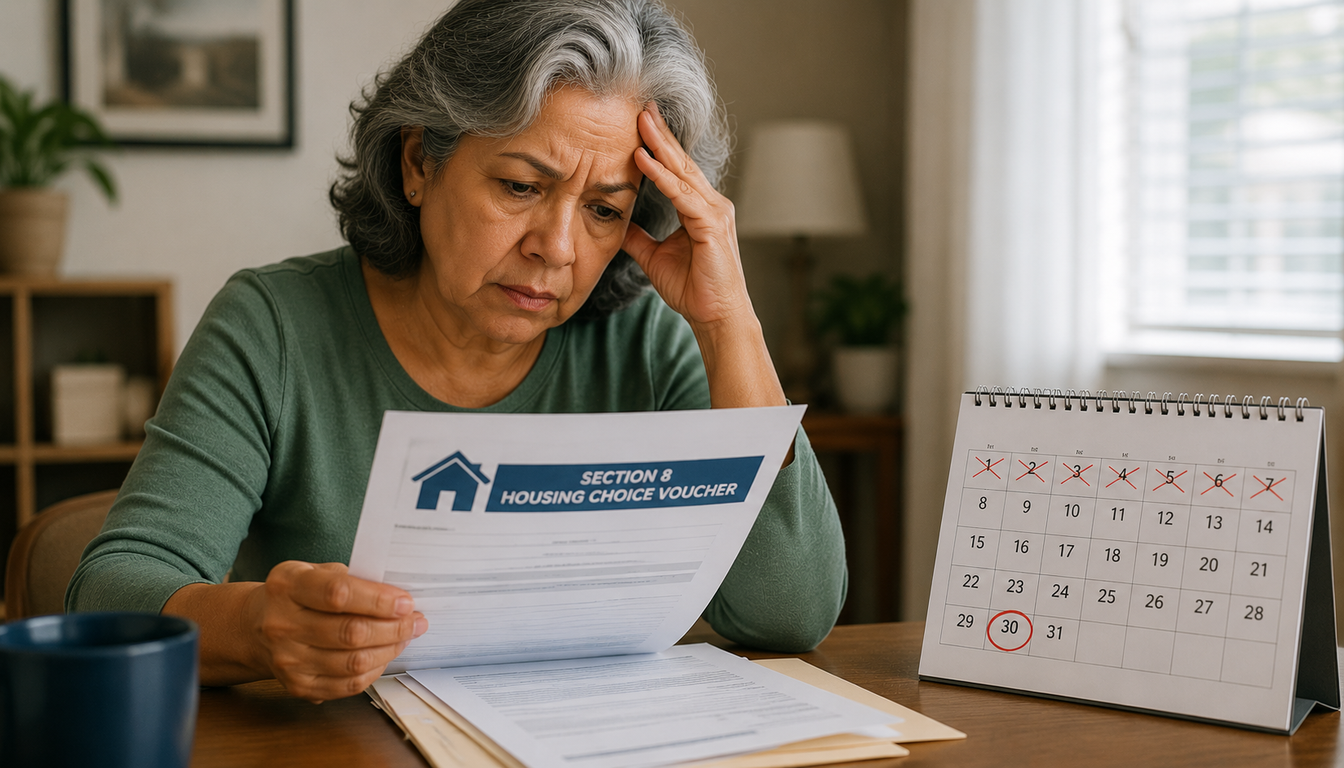

Most people don't know if they qualify for housing assistance until after they've already applied — and sometimes been rejected. That backwards process costs time, causes confusion, and leads a lot of eligible households to simply give up.
Section 8 AI flips that process around. Instead of applying first and finding out later, you get a clear picture of your chances before you submit a single form. You know what programs match your situation, what the requirements look like for your area, and what steps to take next. That's a smarter way to approach housing assistance — and it's exactly what Section 8 AI is designed to do.
Why Knowing Before You Apply Matters
Applying for housing assistance isn't instant. It takes time to gather documents, fill out forms, and contact your local housing authority. If you go through all of that for a program you don't qualify for, or a waitlist that's been closed for years, that effort produces nothing.
The U.S. Department of Housing and Urban Development (HUD) oversees housing assistance programs across the country, but the programs themselves are managed at the local level. Each Public Housing Authority (PHA) sets its own rules, manages its own waitlist, and handles its own applications. What's available in one city may not exist — or may have a multi-year wait — in another.
That's why understanding your chances before you apply isn't just convenient. It's the practical thing to do. It means you apply to programs that are actually open, that you actually qualify for, and that you're actually prepared to move through.
Section 8 AI gives you that understanding — quickly and clearly.
What Section 8 AI Actually Does
Section 8 AI is not a government agency. It doesn't manage waitlists or approve applications. What it does is help you understand where you stand so you can make informed decisions about where to apply.
Here's how it works:
You answer a few basic questions. Your household size, your approximate income, and your location are the core inputs. These are the same factors that housing programs use to determine eligibility, so they're also the right factors to use when assessing your chances.
The tool matches your profile to available programs. Based on your answers, Section 8 AI identifies which programs are most likely to be a fit for your household. This includes federal programs like the Housing Choice Voucher Program (Section 8), public housing options, and other assistance programs that may be available in your area.
You get a personalized report. The report shows you which programs you may qualify for, what the income limits look like for your location, whether local waitlists are open or closed, and what documents you'll likely need to apply. It's organized, readable, and built around your actual situation — not a general audience.
Understanding the Numbers Behind Your Eligibility
A big part of knowing your chances comes down to income limits. Most housing assistance programs use something called the Area Median Income (AMI) — a figure that HUD calculates and updates every year for every county and metropolitan area in the country.
Your household needs to fall below a certain percentage of your local AMI to qualify. For the Section 8 Housing Choice Voucher Program, that's typically 50% of AMI — though HUD requires that at least 75% of new vouchers go to households earning 30% of AMI or less.
What does that look like in practice? Here's a simple example. If the median income in your area is $60,000 per year for a family of four, then 50% of AMI is $30,000. If your household of four earns less than that, you're likely within the eligibility range for Section 8. If you earn less than $18,000 (30% of AMI), you'd be prioritized in many programs.
Those numbers are different in every location. Section 8 AI accounts for your specific area, so the income thresholds you see in your report are based on where you actually live — not a national average.
Get Your Report at Section 8 AI Today
There's no reason to guess about your eligibility when you can get a clear answer in minutes.
Section 8 AI was built to give everyday people the kind of information that used to require hours of research or a trip to a housing office. Now you can get it today, from anywhere, in just a few minutes.
Here's what you'll walk away with:
- A list of programs that match your household profile
- Income limit comparisons specific to your location
- Waitlist status information for your area
- A document checklist so you can apply prepared Go to Section 8 AI right now and get your personalized housing eligibility report. It's fast and it gives you real answers before you spend a single minute on an application.
What Happens After You Know Your Chances
Getting your report is the first step. Here's what comes next.
If you're likely eligible: Move quickly. Waitlists for programs like Section 8 can fill up fast, and some PHAs only open their lists for short windows. Contact your local PHA as soon as possible to apply or get on the list. Use the document checklist from your report to get your paperwork together before you go.
If your income is close to the limit: It's still worth applying. Income limits aren't always a hard cutoff — some programs have preferences for households in specific situations, such as families with children, seniors, or people with disabilities. The HUD guidelines explain some of these preferences in plain language.
If you don't qualify for federal programs right now: That doesn't mean there's nothing available to you. Many states and local governments run their own rental assistance programs that have different income limits and requirements. The National Low Income Housing Coalition tracks emergency and ongoing rental assistance programs by state, and it's updated regularly.
Whatever your situation, knowing where you stand helps you make a better plan — and that's always worth doing.
Common Questions People Have Before They Apply
Does checking my eligibility affect my application? No. Getting a report through Section 8 AI is completely separate from applying. It doesn't start an application or put you on any list.
Do I need to upload documents to get my report? No. The report is based on the basic information you enter — income, household size, and location. You don't share sensitive documents until you're ready to apply directly with your housing authority.
How accurate is the report? The report is based on current program data and HUD income limits for your area. It gives you a strong starting point. The final determination is always made by your local PHA when you apply, but the report reflects the real criteria those agencies use.
Explore More Housing Resources
Your report gives you a foundation. Here are a few more resources to help you build on it:
- Find your local PHA: Use HUD's PHA contact directory to find the housing authority in your area.
- Look up income limits: Check HUD's income limits database for your county or metro area.
- Browse affordable listings: Visit our partner site Section 8 Search to explore available affordable housing options near you.
The Bottom Line
The best time to understand your chances is before you apply — not after. Section 8 AI gives you that understanding in minutes with no paperwork required.
You get a personalized report that shows which programs match your household, what the income limits are in your area, and exactly what you need to do next. That's information you can use — right now, today.
Head to Section 8 AI and get your personalized report. Know your chances. Apply with confidence.