
People with disabilities have access to a range of housing assistance programs — some designed specifically for them, others that include disability-related preferences and protections that put them closer to the front of the line. Knowing which programs exist, how they work, and what rights you have under federal law gives you a real advantage when navigating the system.
This article covers every major option available to people with disabilities, what each program offers, and how to take the first steps toward applying.
Your Rights Under Federal Law Come First
Before getting into specific programs, it's worth understanding the legal protections that apply to you. Two federal laws directly affect housing for people with disabilities:
The Fair Housing Act prohibits housing discrimination based on disability. Landlords — including those who participate in housing assistance programs — cannot refuse to rent to you, treat you differently, or impose different terms because of a disability. The U.S. Department of Housing and Urban Development (HUD) enforces these protections. If you believe you've been discriminated against, you can file a complaint directly with HUD.
The Americans with Disabilities Act (ADA) also applies to certain housing-related situations, particularly housing provided by state or local government entities. The ADA National Network offers plain-language guidance on how the ADA applies to housing.
These laws matter because they guarantee you the right to request reasonable accommodations — changes to rules, policies, or practices — and reasonable modifications — physical changes to a unit — to make housing accessible to you. These rights apply whether you're applying for a program or already living in assisted housing.
Program 1: Section 8 Housing Choice Vouchers — With Disability Preferences
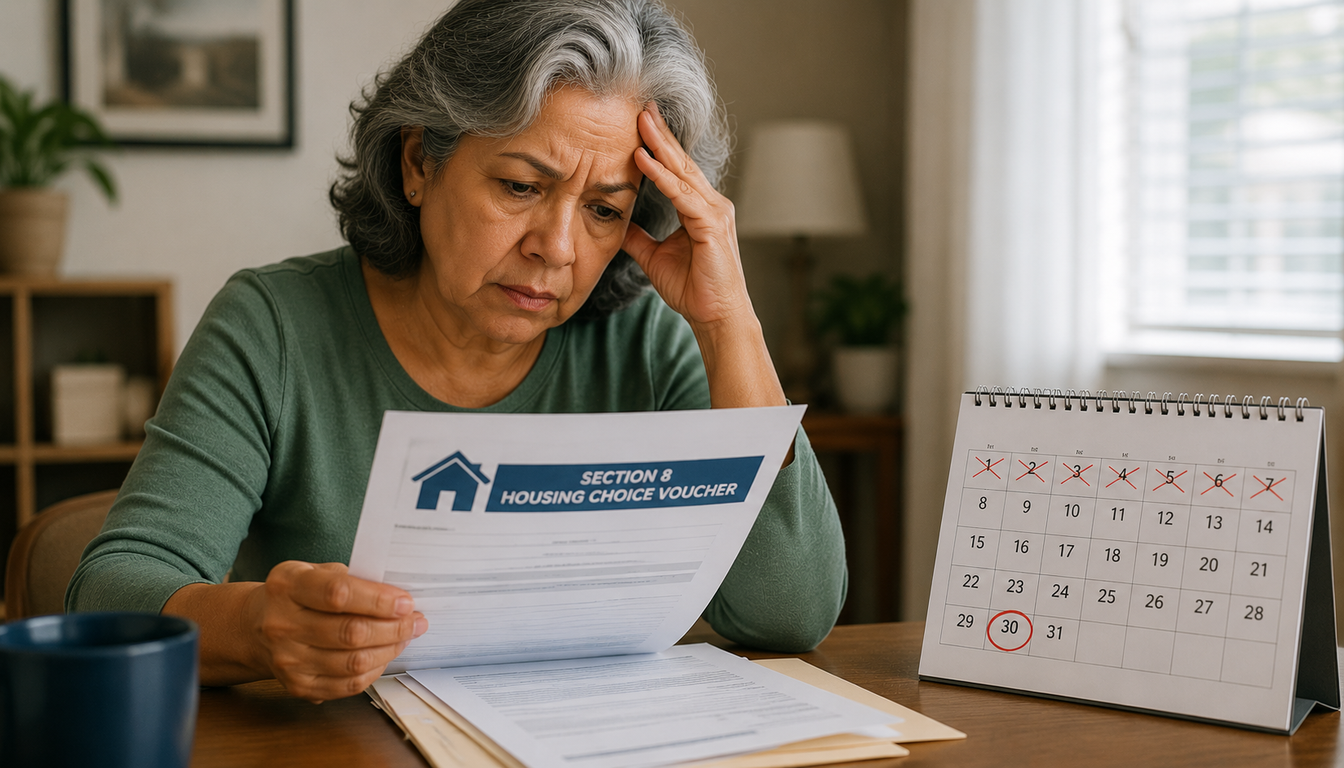
The Section 8 Housing Choice Voucher Program is open to all eligible low-income households, and people with disabilities are specifically recognized as a priority group. Many local Public Housing Authorities (PHAs) give preference to people with disabilities when working through their waitlists — meaning you may reach the top of the list faster than a general applicant with similar income.
With a Section 8 voucher, you find your own housing in the private rental market and pay approximately 30% of your adjusted monthly income toward rent. The voucher covers the remainder, paid directly to the landlord.
If you need specific features in your housing — an accessible bathroom, a first-floor unit, wider doorways — you have the right to request reasonable accommodation from your PHA to help you find a suitable unit. You can also request a reasonable modification from a landlord to make an existing unit work for your needs. In many cases, the landlord is required to allow those modifications.
How to apply: Contact your local PHA and ask whether they offer disability preferences on their waitlist, and whether the waitlist is currently open.
Program 2: Section 811 Supportive Housing for People With Disabilities
Section 811 is HUD's housing program built specifically for adults with disabilities. It provides funding to develop and operate permanent supportive housing for very low-income people with significant disabilities — generally those earning at or below 30% of the local Area Median Income (AMI).
Section 811 properties are designed with accessibility in mind and are paired with supportive services to help residents live as independently as possible. These services vary by property but may include:
- Help with daily living tasks
- Transportation coordination
- Connection to community health and social services
- On-site service coordinators
Unlike Section 8, which gives you a voucher to use in the private market, Section 811 is tied to specific properties. You apply to a particular Section 811 community and, if accepted, live in that building.
How to apply: Section 811 housing is applied for at the property level, not through your PHA. Search for Section 811 properties in your area through HUD's Multifamily Housing property search. Contact each property directly to ask about availability and how to get on their waitlist. Apply to as many as you qualify for — waitlists can be long.
Program 3: Public Housing With Disability Designations
Many public housing communities include units or buildings designated for people with disabilities. These government-owned properties are rented at reduced rates — typically 30% of your adjusted monthly income — and some are fully accessible or designed with mobility limitations in mind.
Disability preferences also apply in public housing. When you apply, disclose your disability status and ask whether your local PHA gives preferences to applicants with disabilities. Ask specifically about accessible units and whether there is a separate waitlist for disability-designated housing.
How to apply: Apply through your local PHA. Bring documentation of your disability from a medical professional, as the PHA may require verification for preference or accommodation requests.
Program 4: HUD-VASH — For Veterans With Disabilities
If you are a veteran with a disability, the HUD-Veterans Affairs Supportive Housing (HUD-VASH) program combines a Section 8 housing voucher with case management and supportive services through the Department of Veterans Affairs. It's specifically designed for homeless or at-risk veterans, many of whom have disabilities.
HUD-VASH participants receive ongoing support from VA case managers to help maintain housing stability. To access this program, contact your local VA Medical Center and ask to be connected with their HUD-VASH coordinator.
Reasonable Accommodations: A Right You Should Use
One of the most powerful tools available to people with disabilities is the right to request a reasonable accommodation. This is a formal request asking a housing authority or landlord to change a rule, policy, or procedure to give you equal access to housing.
Examples of reasonable accommodation requests include:
- Asking for a reserved accessible parking space
- Requesting permission to have an assistance animal even if the property has a no-pets policy
- Asking for written communication instead of phone calls if you have a hearing impairment
- Requesting a ground-floor unit due to mobility limitations
You make this request in writing to your PHA or landlord. You do not have to disclose your specific diagnosis — you only need to confirm that you have a disability and explain what you need. HUD's guidance on reasonable accommodations explains the process in full.
If your request is denied without good reason, that may be a violation of the Fair Housing Act. You have the right to file a complaint with HUD.
Know Where You Stand — Get Your Report at Section 8 AI
If you're not sure which programs apply to your specific situation — or whether your income qualifies you for any of them — getting a clear, personalized picture of your eligibility is the smartest first step.
Section 8 AI generates a personalized housing eligibility report based on your income, household size, and location. It tells you which programs your household qualifies for right now, what the income limits look like in your specific area, and whether local waitlists are currently open or closed.
For people with disabilities navigating multiple program options, having a clear starting point matters. Instead of spending time researching programs that don't match your income or location, your report focuses you on what's actually available and relevant to your household.
Head to Section 8 AI and get your personalized housing eligibility report. Walk into the application process knowing exactly where you stand.
Documents You'll Need When Applying
Most housing programs for people with disabilities will ask for:
- Government-issued photo ID — driver's license, state ID, or passport
- Social Security card — for every household member
- Proof of disability — a letter from a licensed medical professional confirming that you have a disability (you do not need to specify the diagnosis in most cases)
- Proof of income — Social Security Disability Insurance (SSDI) or Supplemental Security Income (SSI) award letters are the most common. Get a current benefit verification letter from ssa.gov
- Birth certificate — for you and any household members
For SSI or SSDI recipients, your award letter from the Social Security Administration serves as both proof of income and confirmation of disability status for many programs.
Additional Resources Worth Knowing
- ADA National Network: plain-language guidance on disability rights in housing
- HUD Fair Housing: how to file a discrimination complaint
- Benefits.gov: search for federal and state programs you may qualify for based on your situation
- HUD-approved housing counselors: HUD's counselor locator connects you with trained professionals who can walk you through your options at low or no cost
- Affordable housing listings: Visit our partner site Section 8 Search to find accessible and affordable housing options in your area
The Bottom Line
People with disabilities have access to strong federal programs — from portable Section 8 vouchers with disability preferences to Section 811 communities built specifically for independent living. You also have legal rights that protect you from discrimination and give you tools to request the accommodations you need.
Know your programs. Know your rights. And start with a clear picture of your eligibility.
Go to Section 8 AI, get your personalized housing eligibility report, and take the first concrete step toward stable, accessible housing today.