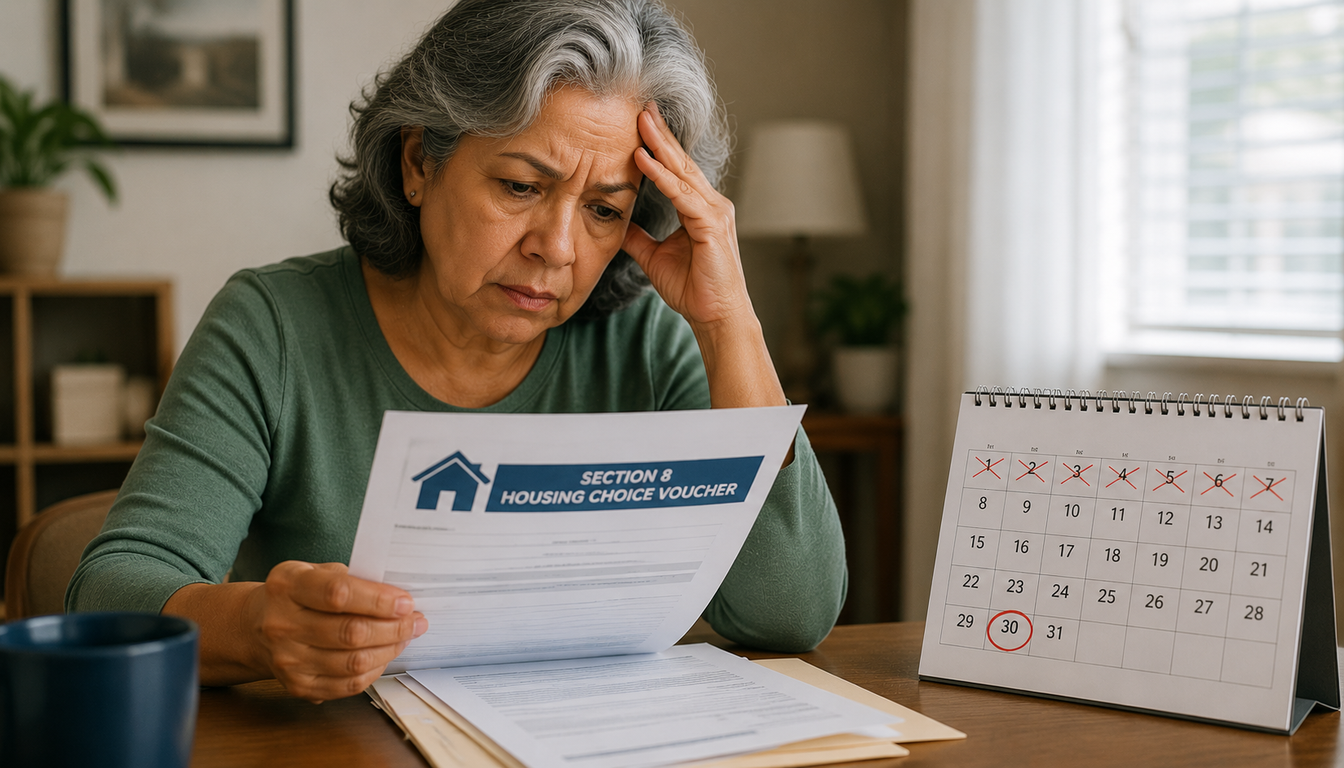

Getting on a Section 8 waitlist is a real accomplishment. It means you took the right steps, submitted your application, and secured a spot in the system. But for many people, that's where the clarity ends. What happens next? How long will it take? What do you need to do while you wait? What could cause you to lose your spot?
This article answers all of that. If you've recently joined a waitlist — or you're getting ready to — here's exactly what to expect.
First, Understand What the Waitlist Actually Is
The Section 8 Housing Choice Voucher Program is run at the local level by Public Housing Authorities (PHAs). Each PHA manages its own waitlist for its own area. When more households qualify than there are vouchers available, the PHA puts eligible applicants on a waitlist and works through it as funding allows.
Getting on the waitlist does not mean you have a voucher. It means you are in line to receive one. The difference matters. You are not guaranteed housing assistance yet — but you are in the system, and that's a significant first step.
Some PHAs use a first-come, first-served system. Others use a lottery when the waitlist opens, randomly selecting who gets added. Either way, once you're on the list, your goal is to stay on it and stay ready.
You can learn more about how the program works directly from HUD's Housing Choice Voucher Program page.
How Long Will You Wait?
There's no single answer to this question — and anyone who gives you a firm timeline without knowing your local PHA's situation isn't giving you reliable information.
Wait times vary enormously depending on:
- How many vouchers your PHA has available. Funding comes from the federal government and is limited. Some PHAs have more resources than others.
- How many people are ahead of you on the list. A waitlist with 200 households moves differently than one with 5,000.
- Whether you qualify for any preferences. Many PHAs give priority to certain groups — veterans, people experiencing homelessness, households with disabilities, or current residents of the area. If you qualify for a preference, you may move up the list faster. Check with your local PHA to see what preferences they offer.
- Local housing turnover. When current voucher holders move, stop using their voucher, or no longer qualify, that creates openings. This varies by market.
According to data tracked by HUD's Picture of Subsidized Households, some of the largest PHAs in the country have waitlists that stretch several years. Smaller or less populated areas may move faster. The honest answer is: get on the list, check in regularly, and be patient.
What You Must Do While You Wait
Being on the waitlist is not a passive process. There are things you need to actively do to keep your application in good standing.
Keep your contact information current. This is the number one reason people lose their spot. If your phone number, email address, or mailing address changes and the PHA can't reach you, your application may be removed from the list. Update your information with your local PHA every time something changes — don't wait.
Respond to every letter and notice. PHAs send periodic mailings to confirm that applicants still want to remain on the waitlist. These are often called "update letters" or "reconfirmation notices." If you don't respond by the deadline, your application can be cancelled. Read every piece of mail from your housing authority carefully and respond on time.
Report changes in household size or income. If someone moves into or out of your household, or if your income changes significantly, let your PHA know. These changes can affect your eligibility and your position on the list — but failing to report them can create problems when your name is finally called.
Stay eligible. Your eligibility will be verified again when your name reaches the top of the list. If your income has gone up past the limit, or if something in your background has changed, you could be removed at that stage. Understanding the HUD eligibility guidelines helps you know what to watch for.
Not Sure You're on the Right Waitlist? Get Your Report First
Here's something worth knowing: not every waitlist is worth being on. If the waitlist in your area has been closed for years, has tens of thousands of people ahead of you, or covers programs that don't match your household's situation, your time may be better spent looking at other options first.
That's where Section 8 AI comes in.
Before you invest months or years waiting on a single list, get a personalized housing eligibility report that shows you the full picture. Section 8 AI takes your household size, income, and location and generates a report that tells you:
- Which programs you qualify for in your area
- Whether local waitlists are currently open or closed
- What other assistance options may be available to you right now
- Exactly what documents to prepare so you're ready when your name is called Go to Section 8 AI and get your report today. It takes just a few minutes, and it could show you options you didn't know existed — programs with shorter waits, open waitlists in neighboring areas, or local assistance you haven't applied for yet.
Don't wait on one list when there may be better options available. Get informed first.
When Your Name Reaches the Top
When the PHA finally contacts you, things move quickly. Here's what that process typically looks like:
You'll receive a notice to come in. This is usually a letter or phone call inviting you to attend an eligibility interview. Do not miss this appointment. If you miss it without contacting the PHA in advance, your application may be cancelled.
You'll go through an eligibility review. The PHA will verify your current income, household size, and other qualifying factors. They'll check to make sure your information is still accurate and that you still meet the program's requirements. Bring every document they request — and then some.
You'll receive a voucher — if everything checks out. Once approved, you'll be issued a Housing Choice Voucher. This is the actual assistance. It comes with an expiration date, typically 60 to 120 days, during which you need to find a qualifying unit.
You'll search for housing that accepts vouchers. Not every landlord accepts Section 8. You'll need to find a unit where the landlord is willing to participate in the program and where the rent falls within your area's HUD payment standards. Your PHA can provide guidance on this process.
The unit must pass a housing quality inspection. Before your assistance begins, the PHA will inspect the unit to make sure it meets HUD's housing quality standards. If the unit passes, your lease is signed and your assistance begins.
Keep Building Your Options While You Wait
A waitlist is one path — not the only one. While you wait, keep exploring what else is available to you.
The National Low Income Housing Coalition tracks rental assistance programs by state, many of which have shorter wait times or different eligibility criteria than federal Section 8. Some areas also have emergency rental assistance for households facing immediate need.
And don't forget to visit our partner site Section 8 Search — a resource for finding affordable housing listings and staying current on new opportunities in your area.
The Bottom Line
Joining a Section 8 waitlist is a smart move — but it's the beginning of a process, not the end of one. Keep your information updated. Respond to every notice. Stay ready. And make sure you're on the right waitlist for your situation.
If you haven't yet checked your full range of options, go to Section 8 AI and get your personalized housing eligibility report right now. Know what's available. Know where you stand. And make every step count.