
If you are 62 or older and need help paying for housing, you have more options than most people realize. The federal government runs several programs specifically designed for seniors — not just general housing assistance programs that seniors happen to qualify for, but programs built around the needs of older adults on fixed incomes.
This article covers every major housing assistance program available to seniors, how each one works, and exactly how to apply.
Why Seniors Have Unique Housing Needs
Most seniors live on fixed incomes — Social Security, a pension, retirement savings, or some combination. When housing costs take up a large share of that income, there's often little left for food, medication, and other basics.
The federal government recognizes this. Several programs exist specifically to help older adults access safe, affordable housing — and in some cases, housing that includes supportive services like transportation help, meal programs, and on-site coordination for healthcare needs.
According to the U.S. Department of Housing and Urban Development (HUD), seniors are one of the priority groups in federal housing assistance — meaning in many programs, being 62 or older moves you to the front of the line.
Program 1: Section 8 Housing Choice Vouchers — With Senior Preferences
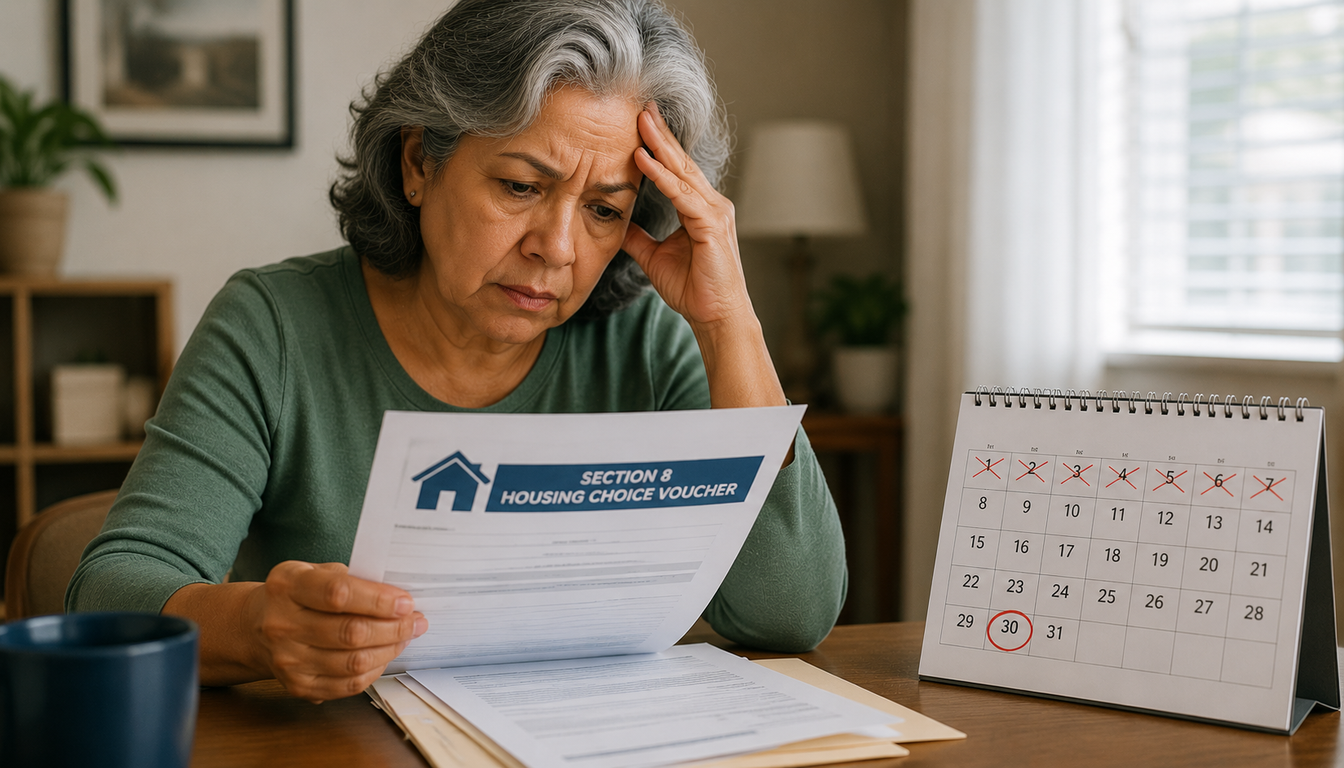
The Section 8 Housing Choice Voucher Program is the largest federal rental assistance program in the country. It's open to all eligible low-income households — including seniors — and it works the same way for older adults as it does for anyone else: you find your own housing in the private rental market, and the voucher covers a portion of your rent while you pay approximately 30% of your adjusted monthly income.
What's different for seniors is that many local Public Housing Authorities (PHAs) give preference to elderly households when working through their waitlists. This means seniors often move through the waitlist faster than the general population.
Additionally, seniors on Social Security or other fixed income often fall well below the income limits for the program. For Section 8, eligibility is typically set at 50% of the local Area Median Income (AMI) — and many seniors qualify at the 30% AMI level, which receives the highest priority for new vouchers.
How to apply: Contact your local PHA directly. Use HUD's PHA contact directory to find the housing authority in your area. Ask specifically whether they offer elderly preferences and whether the waitlist is currently open.
Program 2: Section 202 Supportive Housing for the Elderly
Section 202 is a HUD program specifically and exclusively for seniors. It funds the development and operation of housing for people 62 and older who have very low incomes — generally at or below 50% of the local AMI.
What makes Section 202 different from a standard rental assistance program is that the housing itself is purpose-built for seniors. These are apartment communities designed with older adults in mind — often featuring accessible layouts, grab bars, wider doorways, and on-site services. The services vary by property but may include:
- Transportation to medical appointments and grocery stores
- Meal programs or on-site dining
- Health and wellness activities
- Service coordinators who help connect residents with community resources
In a Section 202 property, residents typically pay 30% of their adjusted income toward rent. The remainder is covered by the federal subsidy attached to the building.
How to apply: Section 202 housing is applied for directly through the property — not through your local PHA. You'll need to find Section 202 properties in your area and contact each one individually. HUD's Multifamily Housing property search can help you locate properties near you. Waitlists at Section 202 communities can be long, so apply as early as possible.
Program 3: Public Housing With Elderly Designations
Many public housing communities have buildings or units specifically designated for elderly or disabled residents. These are government-owned properties rented at reduced rates — typically 30% of your adjusted income — and some are set aside exclusively for seniors.
Senior-designated public housing communities offer some of the same benefits as Section 202 properties — accessible design, quieter environments, and sometimes on-site services — but they are owned and managed by your local PHA rather than private nonprofit developers.
How to apply: Apply through your local PHA. When you apply, specifically ask whether elderly-designated units or buildings are available and whether there is a separate waitlist for them.
Program 4: Low Income Home Energy Assistance Program (LIHEAP)
Housing costs aren't just rent. For many seniors, utility bills are a significant financial burden — especially heating in winter and cooling in summer. The Low Income Home Energy Assistance Program (LIHEAP), administered by the U.S. Department of Health and Human Services, helps low-income households — including seniors — pay energy bills and in some cases make energy-efficiency improvements to their homes.
LIHEAP is not a housing program in the traditional sense, but it directly reduces a household's total housing cost burden. It's worth applying for alongside any rental assistance program.
How to apply: Visit the LIHEAP program page to find your state's contact information. Applications are typically handled at the state or local level.
Program 5: USDA Rural Housing Programs for Seniors
If you live in a rural area, the U.S. Department of Agriculture (USDA) Rural Development offers housing programs that include rental assistance for low-income seniors in eligible rural communities. The Section 515 Rural Rental Housing program provides affordable rental housing in rural areas, and many of these properties serve elderly residents.
How to apply: Visit USDA Rural Development's housing page and use their program finder to identify eligible properties and contacts in your area.
Find Out What You Qualify For at Section 8 AI
With several programs available — each with its own income limits, application process, and waitlist — it can be hard to know where to focus first. That's exactly why getting a personalized eligibility report is such a practical starting point.
Section 8 AI takes your income, household size, and location and generates a personalized report showing which housing assistance programs apply to your situation. For seniors on fixed incomes, the report clearly shows:
- Which programs your household income qualifies for in your area
- Whether your local waitlists are currently open
- What income thresholds apply to your specific location
- What your next concrete steps should be Go to Section 8 AI and get your personalized housing eligibility report. It cuts through the confusion and gives you a clear picture of where to apply your time and effort — so you're not filling out applications for programs that don't match your situation.
What Documents Seniors Typically Need to Apply
No matter which program you apply for, you'll want to have these documents ready:
- Government-issued photo ID — driver's license, state ID, or passport
- Social Security card — for you and anyone else in your household
- Proof of income — Social Security award letter, pension statements, any other income documentation. Get a current benefit verification letter from ssa.gov — older letters may not be accepted
- Birth certificate — to verify age eligibility for senior-specific programs
- Medicare or Medicaid card — some programs or on-site services coordinate with these
If you receive Supplemental Security Income (SSI), your award letter from the Social Security Administration serves as proof of both income and eligibility for many senior housing programs.
Additional Resources for Senior Housing
The following resources are specifically useful for seniors navigating housing assistance:
- Eldercare Locator: Run by the U.S. Administration on Aging, the Eldercare Locator connects seniors with local services including housing assistance, transportation, and in-home support. Call 1-800-677-1116 or visit the website.
- HUD-approved housing counselors: HUD-certified counselors can walk you through your options at no or low cost. They're familiar with local programs and can help you prioritize where to apply.
- Benefits.gov: The federal Benefits.gov website lets you search for programs you may be eligible for based on your age, income, and location — a useful tool for identifying programs beyond housing.
And for help finding available affordable housing and participating landlords near you, visit our partner site Section 8 Search — a practical resource built for people navigating the housing assistance system.
The Bottom Line
Seniors have access to more housing assistance options than most people know about — from portable Section 8 vouchers to senior-specific apartment communities with on-site support services. The key is knowing which programs exist, which ones you qualify for, and applying to as many as possible at the same time.
Start with a clear picture of your eligibility. Go to Section 8 AI, get your personalized housing eligibility report, and take the first step toward more affordable, stable housing today.