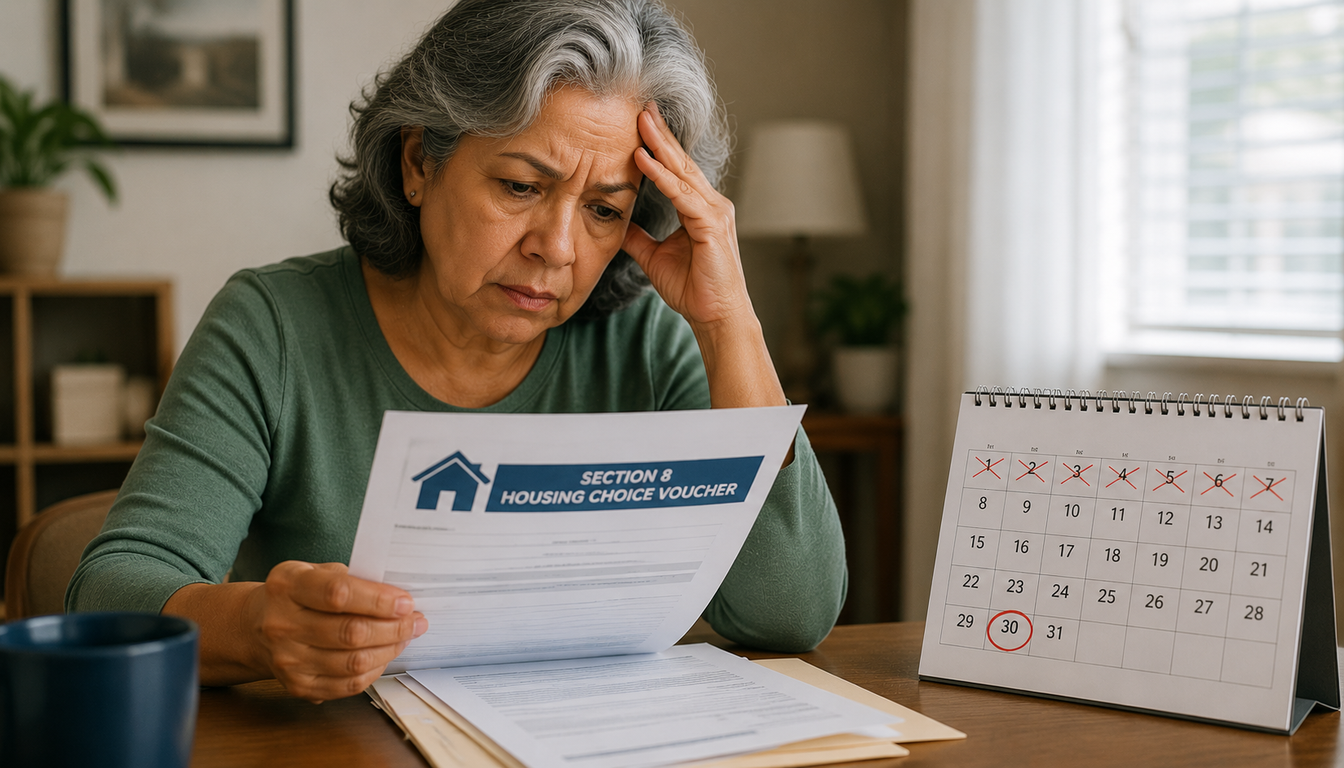

There's no single answer to how long it takes to get a Section 8 voucher — but there is real data, and it tells a clear story. Wait times vary dramatically depending on where you live, and understanding the actual numbers helps you set realistic expectations and make smarter decisions about where and when to apply.
This article walks through what the most recent data shows, why wait times vary so much by location, and what you can do to put yourself in the best possible position.
The National Average: Just Over Two Years
According to data tracked by USAFacts, people waited an average of two years and one month for subsidized housing in 2025. That's actually a modest improvement — about 7.4% shorter than the 2 years and 3 months average recorded in 2024.
This figure reflects people who eventually received assistance, not everyone currently sitting on a waitlist. It's based on data the U.S. Department of Housing and Urban Development (HUD) collects from local housing authorities about how long successful applicants waited before receiving their voucher.
It's worth noting that this two-year figure is a national average — and averages can be misleading when the range underneath them is this wide.
The Real Range: 10 Months to Nearly 5 Years
The same USAFacts analysis shows that wait times in 2025 ranged from as little as 10 months in West Virginia to as long as 57 months — four years and nine months — in Maryland. That's an enormous gap, and it illustrates the most important point about Section 8 wait times: where you apply matters enormously.
Other research backs this up. An analysis by the Center on Budget and Policy Priorities (CBPP) of HUD data found that among the 50 largest housing agencies in the country, only two had average wait times under a year for families who eventually received a voucher. The longest wait times among those same large agencies stretched up to eight years.
This means a household applying in one city might receive a voucher within a year, while an identical household applying in a different city could wait the better part of a decade.
Why Wait Times Vary So Much by Location
Several factors explain why the range is so wide:
Funding levels differ by agency. Section 8 funding comes from HUD, but it's distributed to thousands of local Public Housing Authorities (PHAs) across the country. Some PHAs receive enough funding relative to local demand to move through their waitlists faster. Others serve much larger populations with comparatively less funding.
Local housing costs and demand. High-cost metropolitan areas tend to have more people seeking assistance and a higher cost per voucher, which means available funding covers fewer households. Lower-cost areas can often serve more applicants with the same amount of funding.
Voucher turnover. Wait times depend partly on how often current voucher holders leave the program — by moving, no longer needing assistance, or other reasons. Areas with higher turnover open up new vouchers more frequently.
Waitlist management policies. Some PHAs only open their waitlists periodically and accept a fixed number of applications, then close until the list is worked through. Others keep an open, ongoing intake process. According to USA.gov's Section 8 housing overview, a PHA may temporarily close its waiting list when it has more families than it can realistically help — and this is extremely common.
The Numbers HUD Doesn't Track — And Why That Matters
Here's an important detail: the wait time figures above describe how long successful applicants waited before receiving a voucher. They do not describe how long people who are still waiting have already been on a list.
According to the CBPP's research, this distinction matters because people currently on a waitlist often skew toward having waited far longer than the published averages suggest. There is no comprehensive federal dataset tracking exactly how many people are on waitlists at any given time, or how long current waitlist members have already waited.
It's also worth knowing that historically, more than half of all housing authorities have had closed waitlists at any given time — meaning many eligible households can't even get in line, regardless of how long the wait might be once they do.
What This Means for Your Strategy
Given how much wait times vary, here's the most practical takeaway: where and when you apply matters as much as whether you qualify.
Apply to every open waitlist you're eligible for — not just the one closest to home. Since Housing Choice Vouchers are portable after you've held one for a period of time, some applicants strategically apply in areas with shorter wait times and faster-moving lists, then use portability to relocate once they've received a voucher.
Move quickly when a waitlist opens. Some application windows for currently open waitlists close within days or weeks. According to current tracking from housing waitlist databases, more than 300 Section 8 waitlists are open or opening soon across the country at any given time — but many close as fast as they open.
Apply to more than one program at once. Public housing, project-based rental assistance, and state or local rental assistance programs often have separate, shorter waitlists than the federal Housing Choice Voucher Program in the same area.
Check waitlist status regularly. Some PHAs reopen waitlists with little advance notice. Checking your local PHA's website or contacting them periodically increases your odds of catching an opening window.
Get a Clear Starting Point at Section 8 AI
Given how dramatically wait times vary by location, knowing exactly which programs are open and available in your specific area — right now — is one of the most valuable things you can do before applying anywhere.
Section 8 AI generates a personalized housing eligibility report based on your income, household size, and location. It shows you which housing assistance programs you're likely to qualify for, and whether local waitlists in your area are currently open or closed — so you're not guessing or relying on outdated information when you decide where to apply.
Go to Section 8 AI and get your personalized housing eligibility report. Understanding your local landscape before you apply means you can prioritize your time and effort on the programs most likely to move forward.
A Realistic Way to Think About Timing
It helps to separate two different numbers in your mind:
The time to get on a waitlist is usually fast — often the same day, if the list is open and you meet the basic requirements.
The time to get off the waitlist and receive a voucher is what varies so widely — and what the national data above describes. This is the number that ranges from under a year to nearly five years or more, depending entirely on your local PHA.
Knowing this distinction helps you plan. Getting on a list is a quick first step. The real waiting happens after that — which is exactly why applying to multiple programs and multiple locations, where possible, gives you the strongest odds of receiving assistance sooner.
While You Wait, Keep Moving Forward
The waiting period doesn't have to be passive. Use it to:
- Keep your contact information current with every PHA you've applied to
- Respond to every reconfirmation notice before the deadline
- Continue checking for newly opened waitlists in your area and nearby areas
- Explore other housing cost relief, such as the Low Income Home Energy Assistance Program (LIHEAP), which can reduce your overall housing burden while you wait
- Browse available housing options through our partner site Section 8 Search, which can help you find participating landlords and other affordable options in the meantime
Additional Resources
- National wait time data
- HUD's official Section 8 program page
- Find your local PHA
- Income limits for your area and household size
- USAGov's overview of Section 8
The Bottom Line
The data is clear on one thing: wait times for Section 8 vary enormously depending on where you live — anywhere from under a year to the better part of a decade in the largest, highest-demand cities. The national average sits at just over two years, but that number means very little for any individual household without knowing the specifics of their local PHA.
The smartest approach is to apply broadly, apply quickly when lists open, and apply to more than just the Housing Choice Voucher Program.
Go to Section 8 AI, get your personalized housing eligibility report, and find out which programs in your area are open right now — so you're not waiting on assumptions when real data and real opportunities are available today.