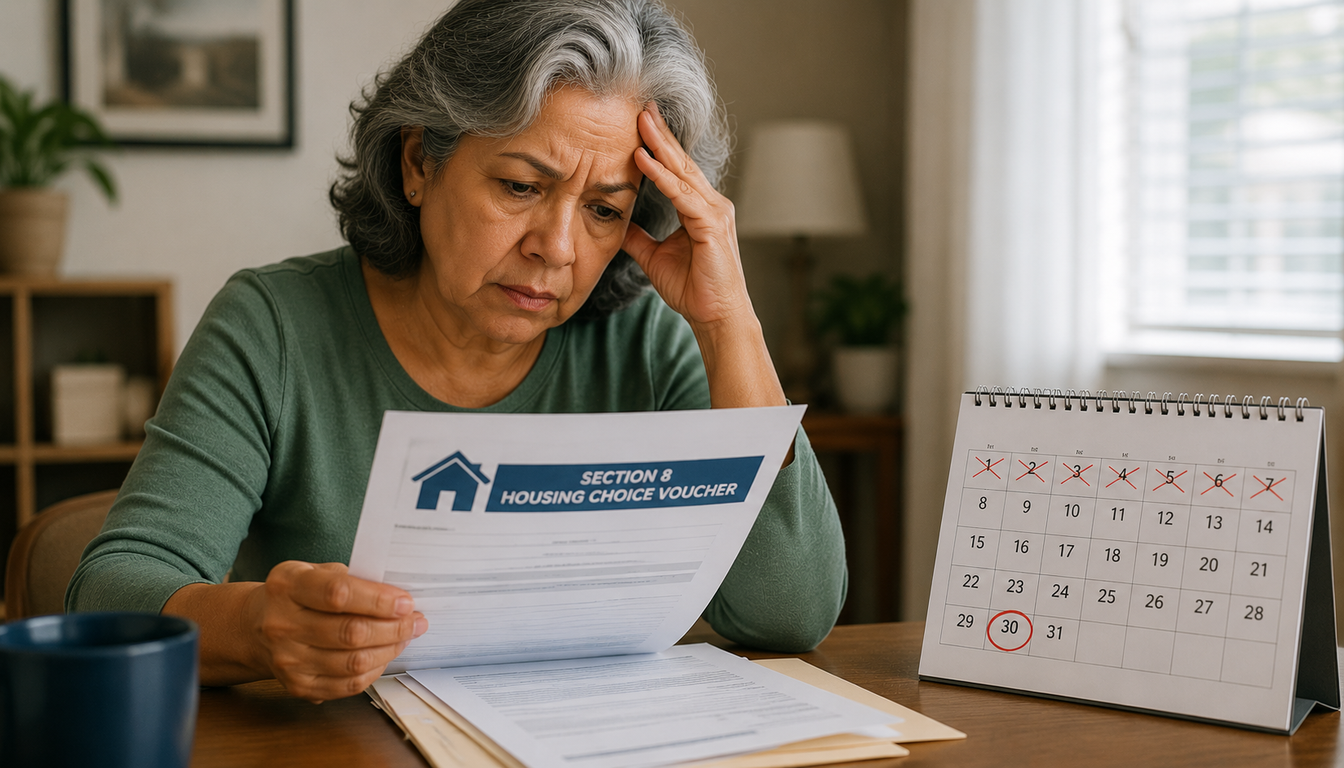

If you've tried to apply for Section 8 and been told the waitlist is closed, you're not alone. Closed waitlists are one of the most common experiences people have with the Section 8 program — and one of the most confusing. Why do waitlists close? How long do they stay closed? And how do you find out when they open again?
This article answers all of those questions clearly and gives you a practical system for staying informed so you can apply the moment a waitlist opens near you.
Why Waitlists Exist in the First Place
The Section 8 Housing Choice Voucher Program is funded by the federal government through the U.S. Department of Housing and Urban Development (HUD), but it's administered locally by Public Housing Authorities (PHAs). Each PHA receives a set amount of funding each year — enough to cover a specific number of vouchers.
When more households qualify for assistance than there are vouchers available, the PHA puts eligible applicants on a waitlist and works through it as vouchers become available. New vouchers open up when current participants leave the program, when additional federal funding is allocated, or when Congress authorizes new vouchers.
Because the demand for housing assistance far exceeds the supply of vouchers in most areas of the country, waitlists fill up quickly — sometimes within days or even hours of opening. Once a waitlist has more applicants than the housing authority can realistically serve in the foreseeable future, they close it.
According to HUD's regulations, a PHA may close its waiting list when it has more families on the list than can be assisted in the near future. There is no fixed federal rule on how long a list must stay open — each PHA makes that decision locally based on their own demand and resources.
Why Lists Stay Closed for So Long
Once a waitlist closes, it typically stays closed until the PHA works through enough of the existing list to make room for new applicants. In high-demand areas, this can take years. Some PHAs in major metropolitan areas have had their waitlists closed for a decade or more.
Several factors determine how quickly a PHA moves through its list:
Annual federal funding levels. The number of vouchers a PHA can issue each year is tied directly to the funding they receive from HUD. When Congress allocates more funding, PHAs can serve more households and work through their lists faster. When funding is flat or cut, progress slows.
Voucher turnover. As current voucher holders leave the program — because their income increased, they moved, or other reasons — their vouchers become available for the next household on the list. Areas where participants stay in the program for long periods see slower turnover.
New voucher allocations. Occasionally, HUD makes special voucher allocations — for homeless veterans through HUD-VASH, for emergency housing situations, or for other specific purposes. These additional vouchers can accelerate how quickly a PHA serves households already on the list.
Local demand. In cities with high housing costs and large low-income populations, waitlists fill faster and stay closed longer. In smaller or lower-cost areas, lists may turn over more quickly.
How PHAs Announce Waitlist Openings
When a PHA decides to open its waitlist, they are required to give public notice — but the method and reach of that notice varies widely. Common announcement channels include:
- The PHA's official website
- Local newspapers and community bulletins
- Social media accounts maintained by the PHA
- Announcements at local community organizations, churches, and social service agencies
- Direct outreach through partner organizations serving low-income households
Some PHAs send notifications to people who have previously expressed interest or registered for alerts. Others simply post the announcement and accept applications on a first-come, first-served basis until the slots are filled — sometimes within 24 to 48 hours.
This means that if you're not actively watching for announcements, you can easily miss a waitlist opening entirely.
The Lottery System: When First-Come Isn't the Rule
Not every PHA uses a first-come, first-served approach when their waitlist opens. Many use a lottery system instead — accepting applications during a set window (which may last days or weeks) and then randomly selecting which applicants are added to the waitlist from all those received during that period.
The lottery system levels the playing field. Instead of rewarding whoever happens to see the announcement first or can get to a computer fastest, everyone who applies during the open window has an equal chance of being selected. If you apply on day one or day ten of a ten-day window, your odds are the same.
Ask your local PHA whether they use a lottery or a first-come, first-served system. Knowing which method applies changes how you should respond when a list opens.
How to Know When a Waitlist Opens Near You
The most reliable way to know when a waitlist opens is to be watching for it consistently. Here's a practical system:
Check your local PHA's website regularly. Most PHAs post waitlist openings on their official site. Set a reminder to check it every one to two weeks. Use HUD's PHA directory to find the website for every PHA in your area.
Sign up for email or text alerts if your PHA offers them. Some housing authorities allow interested households to register for notifications. Ask your PHA directly whether this option is available.
Contact your PHA by phone every few months. A brief call to confirm the current waitlist status keeps you current without depending on digital announcements you might miss.
Follow your local PHA on social media. Many housing authorities now announce waitlist openings through Facebook or other platforms. Following their accounts costs nothing and keeps you informed.
Connect with local community organizations. Nonprofits, social service agencies, and housing advocacy organizations in your area often hear about waitlist openings and pass the information along to the people they serve. Building a relationship with a local housing organization means you're on their notification list.
Use housing tracking resources. Our partner site Section 8 Search helps voucher holders and applicants stay current on available housing resources and listings in their area — worth checking regularly alongside your direct PHA monitoring.
Apply to Multiple PHAs at the Same Time
One of the most practical strategies for navigating closed waitlists is to think beyond your immediate area. If your city's PHA has a closed list, neighboring counties or cities may have a list that's open — or that opens more frequently.
You are not limited to applying to just one PHA. You can be on waitlists with multiple housing authorities simultaneously. And since Housing Choice Vouchers are portable after a residency period is met, a voucher received from a neighboring area can eventually be used where you actually want to live.
Use HUD's PHA directory to identify every PHA within a reasonable distance of your location and monitor each one separately.
Know Your Eligibility Before Any Waitlist Opens
There's no point rushing to apply for a waitlist if you're not sure whether you even qualify for the program. Getting clear on your eligibility before a list opens means you can apply immediately and confidently the moment the window is available.
Section 8 AI generates a personalized housing eligibility report based on your income, household size, and location. It shows you which programs your household currently qualifies for, what the income limits look like in your specific area, and which waitlists — if any — are currently open near you.
Go to Section 8 AI and get your personalized housing eligibility report. Walking into a waitlist opening already knowing you qualify means you can act in minutes rather than hours — and in a lottery or first-come system, speed matters.
When a Waitlist Opens: Move Immediately
When you see a waitlist opening for a PHA you're eligible for, don't wait. Here's what to do:
- Confirm the opening is legitimate — check the PHA's official website directly, not just a social media post or third-party site
- Gather your information — household size, gross income, and the names and Social Security numbers of all household members
- Apply through the correct channel — online, by mail, or in person depending on what the PHA specifies
- Keep a copy of your application and any confirmation number
- Note the date you applied — this matters for both first-come systems and lottery tracking
And remember: apply even if you're not certain you qualify. The PHA's full eligibility review happens later. Getting on the list is the first step.
Additional Resources
- HUD's Section 8 overview
- Find every PHA in your area
- Voucher portability rules
- HCV program participant rights
- State and local rental assistance programs
The Bottom Line
Section 8 waitlists open and close based on funding levels, current demand, and how quickly housing authorities work through their existing lists. In most high-demand areas, lists open infrequently and fill within days.
The strategy that works is simple: know your eligibility in advance, watch multiple PHAs consistently, and act immediately when an opening appears.
Go to Section 8 AI, get your personalized housing eligibility report, and make sure you're ready to apply the moment the right waitlist opens near you.