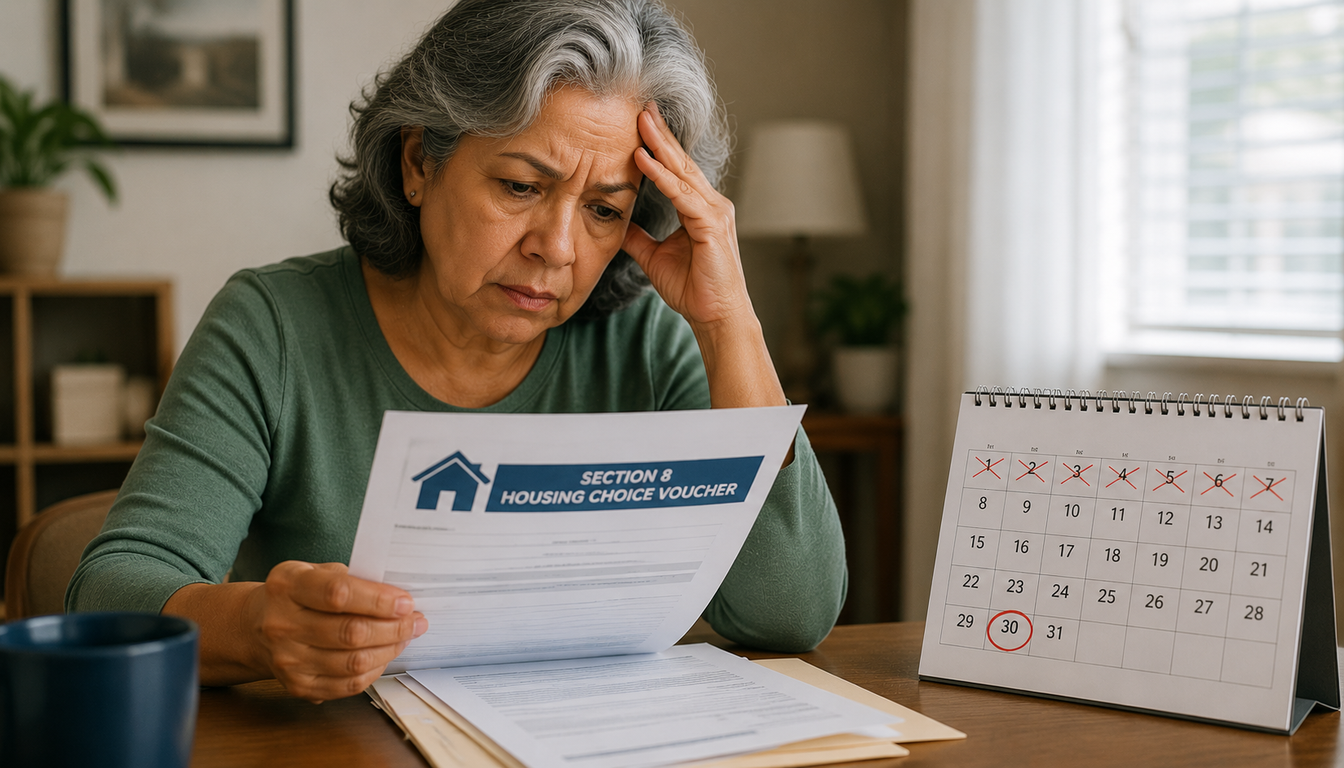

Federal law protects you from housing discrimination. If a landlord, property manager, real estate agent, or housing authority has treated you unfairly because of who you are — your race, color, national origin, religion, sex, disability, or family status — that may be illegal under the Fair Housing Act. And in many states and cities, the list of protected categories is even longer.
Reporting housing discrimination is simpler than most people expect. This article walks through what counts as discrimination, how to file a complaint, what HUD does after you file, and what your other options are if you want to take additional action.
What the Fair Housing Act Protects Against
The Fair Housing Act, enforced by HUD's Office of Fair Housing and Equal Opportunity (FHEO), makes it illegal to discriminate in the sale, rental, or financing of housing based on seven federally protected characteristics:
- Race
- Color
- National origin
- Religion
- Sex (including gender identity and sexual orientation under current HUD interpretation)
- Disability
- Familial status (having children under 18, or being pregnant)
Discrimination can take many forms. It's not only about being told "we don't rent to your kind." It also includes:
- Being told a unit is unavailable when it actually is
- Being quoted a higher rent than other applicants
- Being given different terms or conditions on a lease
- Being steered toward or away from certain neighborhoods
- Refusing to make reasonable accommodations for a disability
- Refusing to allow reasonable modifications for a person with a disability
- Harassment based on any protected characteristic
- Refusing a tenant because they have a Section 8 voucher — in jurisdictions where source of income is a protected characteristic
Many states and cities add to these federal protections. Source of income, sexual orientation, marital status, and immigration status are among the characteristics protected at the state or local level in various jurisdictions, even when not covered by federal law.
How to File a Fair Housing Complaint With HUD
Filing a complaint with HUD is free and available to anyone who believes they've experienced housing discrimination. You have one year from the date of the discriminatory act to file — so it's important not to wait.
You can file in four ways:
Online: The fastest method. Visit HUD's online fair housing complaint portal and complete the form directly on the website. You can save your progress and return if needed.
By phone: Call HUD's Fair Housing hotline at 1-800-669-9777 (TTY: 1-800-927-9275). Assistance is available in multiple languages.
By mail: Download and complete HUD's complaint form and mail it to the FHEO office in your region. Addresses are listed on HUD's fair housing contact page.
In person: You can visit a HUD regional or field office to file in person. Use HUD's office locator to find the nearest location.
What Information to Include in Your Complaint
The more specific your complaint, the more HUD can do with it. When you file, include:
- Your name and contact information
- The name and address of the person or organization you're filing against
- The address of the housing involved — the specific property where the discrimination occurred
- A description of what happened — be as specific as possible about dates, what was said or done, and who was present
- When it happened — the specific date or range of dates
- Why you believe it was discrimination — what characteristic you believe was the reason for the treatment
You do not need a lawyer to file a complaint, and filing is confidential. HUD will not reveal your name to the respondent (the person or company you're filing against) without your permission during the early stages of the investigation.
What Happens After You File
Once HUD receives your complaint, here is the process that follows:
Step 1: Notification. HUD notifies the respondent — the person or company you filed against — that a complaint has been filed. The respondent has the opportunity to respond.
Step 2: Investigation. HUD assigns an investigator to your case. The investigation typically must be completed within 100 days of the complaint being filed. During this period, the investigator may interview you, the respondent, and any witnesses. They may also review documents, visit the property, and gather evidence.
Step 3: Conciliation attempt. During the investigation, HUD will attempt to reach a voluntary agreement — called a conciliation — between you and the respondent. If both parties agree, the case can be resolved at this stage. Conciliation agreements may include compensation to you, policy changes by the respondent, and civil rights training. If conciliation is reached, HUD monitors the agreement to make sure it's followed.
Step 4: Determination. If HUD's investigation finds that reasonable cause exists to believe discrimination occurred, the case moves forward. If no reasonable cause is found, the complaint is dismissed — though you still have the right to pursue the matter in court on your own.
Step 5: Hearing or court action. If HUD finds reasonable cause, you or the respondent can choose to have the case heard by an Administrative Law Judge (ALJ) within HUD, or either party can elect to have the case heard in federal district court. In either venue, HUD's attorneys represent the public interest, though you may also have your own attorney.
Potential outcomes if discrimination is proven include:
- Compensation for actual damages, including housing costs, emotional distress, and other losses
- Punitive damages in cases of intentional discrimination
- Injunctive relief — a court order requiring the respondent to stop the discriminatory behavior
- Civil penalties paid to the federal government
Other Places to File a Housing Discrimination Complaint
HUD is not the only option. Depending on your situation, you may also file with:
Your state's civil rights or fair housing agency. Most states have their own fair housing laws and agencies that investigate complaints. State laws often provide additional protections beyond federal law and sometimes move faster than the federal process. Search for your state's civil rights commission or fair housing office.
Local fair housing organizations. Many cities and regions have nonprofit fair housing organizations that help people file complaints, provide legal advice, and sometimes take cases directly. The National Fair Housing Alliance can help you locate a local member organization.
A private attorney. You have the right to file a private lawsuit in federal or state court without going through HUD first. The Fair Housing Act allows prevailing parties to recover attorney's fees, which means attorneys sometimes take these cases on contingency. If HUD has already found reasonable cause or if the respondent has violated a conciliation agreement, that strengthens your position in court.
You can file with multiple agencies at the same time, though coordination between them is required by law to avoid duplicate proceedings.
Document Everything — Before and After You File
The strength of any discrimination complaint comes down to evidence. Start documenting immediately when you believe discrimination has occurred:
- Write down what happened as soon as possible, while details are fresh — the date, time, location, what was said word for word, and who was there
- Save all written communication — emails, texts, letters, rental applications, rejection notices
- Take photos of any relevant physical evidence
- Keep records of any financial losses — application fees you paid, moving costs, rent you paid elsewhere because you were wrongly denied
- Note the names of any witnesses who saw or heard the discriminatory act
This documentation matters both for the HUD investigation and for any private legal action you pursue.
Know Your Full Housing Options at Section 8 AI
If discrimination has affected your housing search — or if you're trying to understand what assistance programs are available to you before a situation like this arises — getting a clear picture of your eligibility is a practical first step.
Section 8 AI generates a personalized housing eligibility report based on your income, household size, and location. Knowing which programs you qualify for and which waitlists are currently open gives you more options and more leverage as a housing seeker — and means you're not dependent on any single landlord or property.
Go to Section 8 AI and get your personalized housing eligibility report. The more options you have, the stronger your position — and the less any single discriminatory actor can limit your choices.
Additional Resources
- File a complaint online
- Fair Housing Act overview
- HUD's fair housing hotline: 1-800-669-9777
- Find a local fair housing organization
- HUD-approved housing counselors
- Find your local PHA
- Browse affordable housing listings: Visit our partner site Section 8 Search to find available housing and participating landlords in your area
The Bottom Line
Housing discrimination is illegal, and the process for reporting it is free, accessible, and designed to work for people without legal training. File with HUD, document everything, and know that investigations typically conclude within 100 days. If discrimination is proven, the law provides real remedies — including financial compensation and orders to stop the behavior.
You don't have to accept discriminatory treatment. You have rights, you have a process, and you have resources.
Go to Section 8 AI, get your personalized housing eligibility report, and make sure you know every housing option available to you — because the more options you have, the less power any single discriminatory actor holds over your housing future.