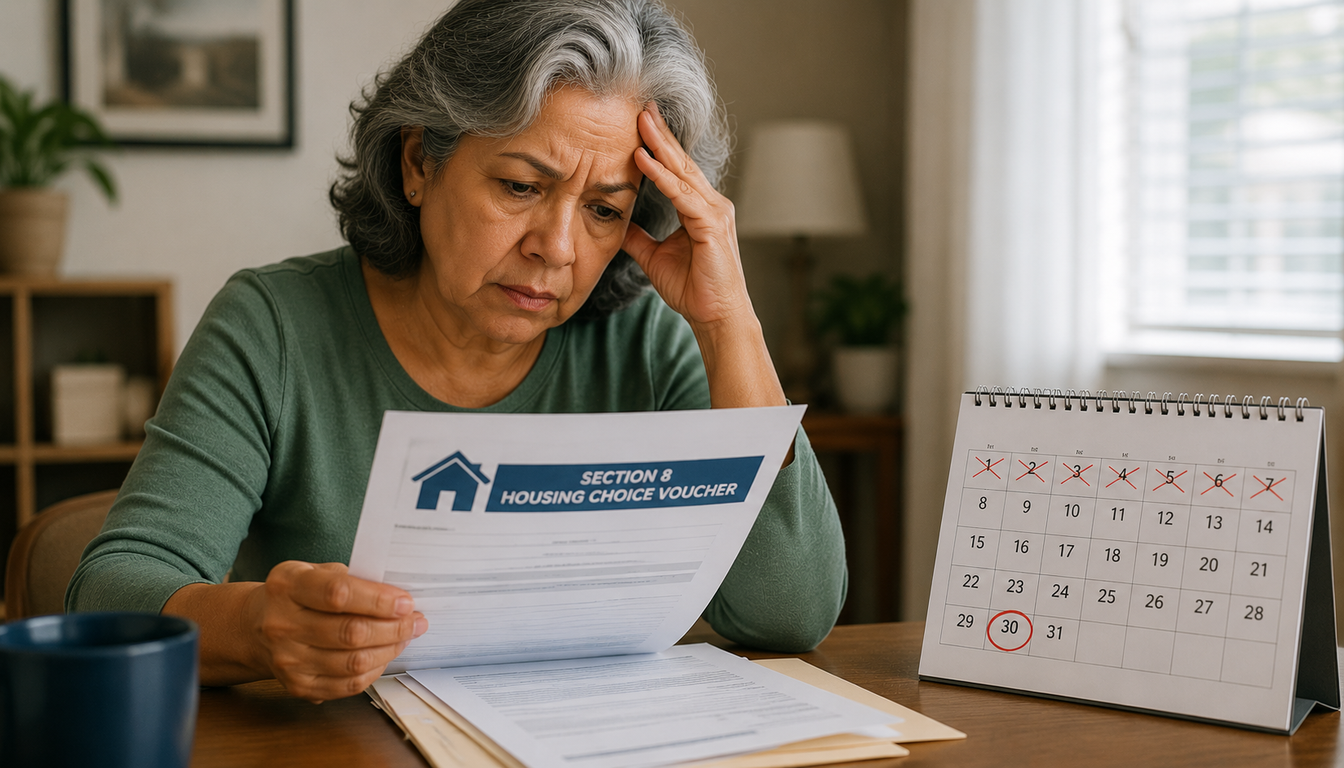

When the landlord who owns your Section 8 rental decides to sell the property, it naturally raises questions. Will you have to move? Does your voucher stay with you? What rights do you have? What do you do if the new owner doesn't want to continue the rental agreement?
The answers depend on how the sale happens, what type of Section 8 assistance you have, and your state's tenant protection laws. This article walks through the most common scenarios and what your rights are in each one.
First, Understand the Two Types of Section 8 Assistance
How a property sale affects you depends partly on which type of Section 8 assistance you have:
Housing Choice Voucher (tenant-based assistance): Your subsidy is tied to you, not the unit. The voucher travels with you. If you have to leave the property, you take your voucher and find a new qualifying unit.
Project-Based Rental Assistance (PBRA): Your subsidy is tied to the specific unit or building. If you leave, the assistance stays behind. A sale of the property affects you differently in this case.
Most of this article applies to Housing Choice Voucher holders — the most common form of Section 8 assistance. If you're in project-based housing, additional rules apply, which are covered separately below.
What Happens to Your Lease When a Property Is Sold
When your landlord sells the property, your existing lease does not automatically end. Under federal law and most state laws, a new property owner takes on the property subject to existing leases. This means the new owner generally must honor the terms of your current lease for its remaining duration — the same rent, the same terms, and the same tenant protections you already have.
Your lease is a contract. A change in ownership doesn't void it.
This protection applies even when your landlord sells to someone who would prefer to have no tenants at all. The buyer knew — or should have known — that there was a tenant with an active lease before they completed the purchase.
What Happens to the HAP Contract
The Housing Assistance Payments (HAP) contract is the agreement between your landlord and your local Public Housing Authority (PHA) that governs how your rental assistance is paid each month. According to HUD's Housing Choice Voucher program regulations, the HAP contract terminates upon the sale of the property.
This means the new owner must execute a new HAP contract with your PHA if they want to continue receiving the housing assistance payments. Most PHAs will work to facilitate this transfer — they typically contact the new owner, explain the program, and offer to set up a new contract so that Section 8 payments continue without interruption.
If the new owner agrees to take over the HAP contract, very little changes for you. Your assistance continues, your rent stays the same, and your lease terms remain in effect.
If the new owner declines to sign a new HAP contract and doesn't want to participate in the Section 8 program, they can choose not to — but they cannot force you to leave simply because of that decision, at least not during your active lease term. Your lease remains in effect regardless of whether a HAP contract is in place.
What the New Owner Can and Cannot Do
The new owner can:
-
Decline to renew your lease when it expires
-
Request to end the tenancy after your lease term for legitimate reasons allowed under HUD regulations and your state's law — including personal use of the unit or a business decision to no longer rent the property
-
Set new lease terms when your current lease expires The new owner cannot:
-
Force you to leave before your lease expires simply because they purchased the property
-
Raise your rent during the active lease term without following proper procedures
-
Terminate your tenancy without proper legal notice and a legally valid reason
-
Retaliate against you for asserting your tenant rights
Under HUD's regulations at 24 CFR Part 982, an owner may not terminate a tenancy except for serious or repeated lease violations, criminal activity, or other good cause. A property sale alone does not constitute good cause for terminating your lease during its active term.
Special Protections in Foreclosure Sales
Foreclosure is a specific type of property sale that carries its own federal protections for tenants. Under the Protecting Tenants at Foreclosure Act (PTFA), which was made permanent by Congress in 2018, new owners who acquire a property through foreclosure must honor existing leases for the remaining lease term.
Even if there is no written lease or only a month-to-month arrangement, the new owner after foreclosure must provide at least 90 days written notice before requiring a tenant to vacate — regardless of how short the remaining lease term is.
There is one exception: if the new owner after foreclosure intends to use the property as their primary residence, they may terminate the tenancy after providing 90 days notice. But they still must give that 90-day notice — they cannot immediately demand that tenants leave upon taking ownership.
These protections apply to Section 8 voucher holders the same as any other tenant.
When Your Lease Expires After a Sale
When your current lease term ends after the sale, the new owner has more flexibility. They can choose not to renew the lease — but they must follow proper notice procedures under your state's landlord-tenant law and HUD's program requirements.
Under HUD's HAP contract terms, the owner must give tenants written notice at least 30 days before ending a month-to-month tenancy, and must follow whatever notice requirements apply under state law, which may be longer. Some states require 60 or even 90 days notice for non-renewal.
If the new owner declines to renew your lease, your voucher is not affected. You still have your Housing Choice Voucher. You'll need to find a new qualifying unit within your voucher's search period — contact your PHA immediately if this situation arises so they can advise you and, if necessary, grant you an extension to find a new unit.
What to Do When You Learn Your Property Is Being Sold
As soon as you learn your landlord is selling, take these steps:
1. Review your current lease. Know exactly when your lease expires. Your protection is strongest during the active lease term.
2. Contact your PHA. Notify your local housing authority that the property is being sold. They will reach out to the new owner about continuing the HAP contract and can advise you on your specific rights and options.
3. Keep paying your rent. Continue paying your portion of rent on time throughout the sale process. If you stop paying, that gives the new owner a valid reason to pursue eviction — which is separate from the sale issue.
4. Get everything in writing. If the new owner communicates with you about the property's future, ask for written confirmation of anything that affects your tenancy.
5. Know your state's notice requirements. Your state may have additional protections beyond federal law. Contact a HUD-approved housing counselor or a legal aid attorney in your area if you have questions about your local rights.
Project-Based Assistance: Different Rules Apply
If you live in project-based Section 8 housing — where the subsidy is tied to the building, not your voucher — a property sale can have different implications.
When a project-based property is sold, HUD generally requires the new owner to honor existing tenant protections. In cases where a property owner wants to exit the project-based assistance program entirely, they must provide tenants with advance notice — often 12 months — and tenants may be eligible to receive Section 8 Tenant Protection Vouchers, which convert their project-based assistance to a portable voucher they can take elsewhere.
If you're in project-based housing and your building is being sold, contact your local housing authority and a housing counselor immediately to understand your specific options.
Know Your Full Housing Options at Section 8 AI
If a property sale means you may need to find a new unit with your voucher, having a clear picture of your eligibility and what's available in your area is essential.
Section 8 AI generates a personalized housing eligibility report based on your income, household size, and location. If you're facing a potential move, your report shows you which programs are available in your area and whether your voucher covers the types of units that are realistically within reach.
Go to Section 8 AI and get your personalized housing eligibility report. Understanding your full range of options now — before a deadline forces the issue — keeps you in control of your housing situation.
Additional Resources
- HUD's Section 8 tenant information
- Protecting Tenants at Foreclosure Act
- Find your local PHA
- HUD-approved housing counselors
- Section 8 Tenant Protection Vouchers
- Find available housing listings: Visit our partner site Section 8 Search to browse available units and participating landlords in your area if you need to find a new place
The Bottom Line
A property sale doesn't automatically end your tenancy or your housing assistance. Your existing lease protects you during its active term. In foreclosure situations, federal law guarantees at least 90 days notice. And your Housing Choice Voucher stays with you regardless of what happens to the property.
Contact your PHA as soon as you learn about a sale. Know your lease expiration date. And understand that even if the new owner doesn't want to continue the Section 8 arrangement, they cannot immediately remove you — proper notice and legal process are required.
Go to Section 8 AI, get your personalized housing eligibility report, and make sure you know your full range of options — so a property sale never catches you without a plan.