
Self-employed people — freelancers, gig workers, independent contractors, small business owners — can absolutely qualify for Section 8 housing assistance. But the application process looks different than it does for someone with a regular paycheck, and the way your income gets calculated can significantly affect your eligibility and your monthly rent.
If you work for yourself in any capacity, this article explains exactly what to expect, what income documentation you'll need, and how your net income — not your gross revenue — is what actually gets counted.
Self-Employment Income Is Counted Differently
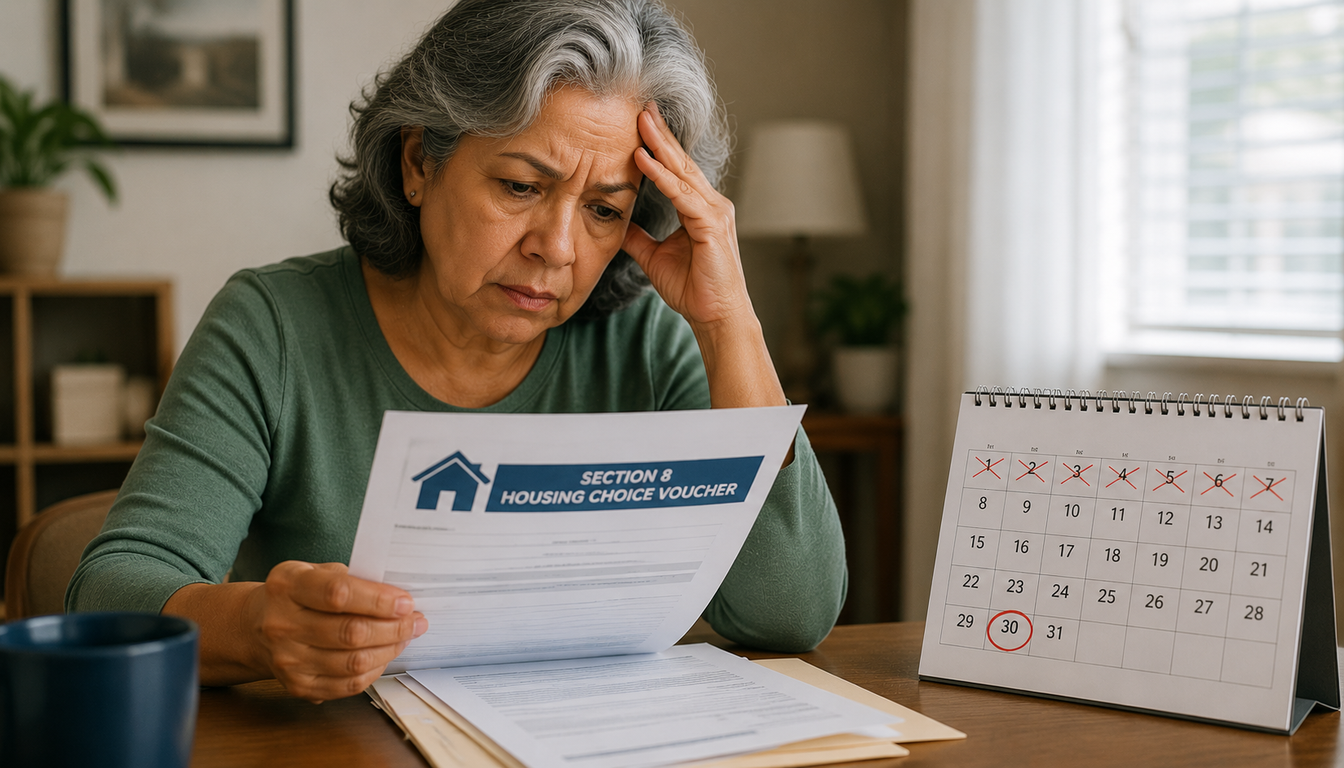
For most applicants, proving income is straightforward: show your recent pay stubs and your employer verifies the rest. For self-employed applicants, the process requires more documentation and a different calculation method.
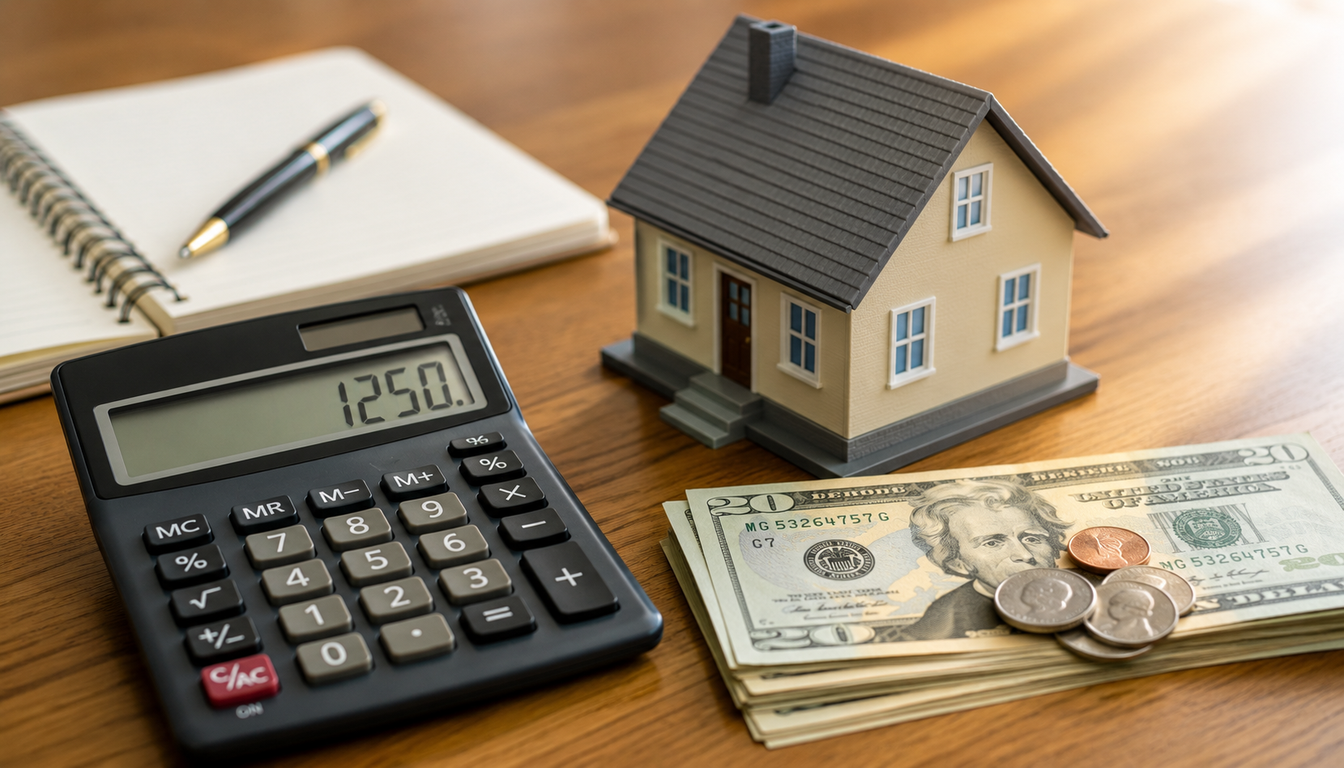
Under HUD's income calculation guidelines, self-employment income is counted as your net income — meaning your gross revenue minus ordinary and necessary business expenses. This is an important distinction. If you run a small business and earn $40,000 in revenue but spend $15,000 on business expenses, your countable income for Section 8 purposes is $25,000 — not $40,000.
This approach reflects how self-employment actually works. The money you spend to run your business isn't truly available to pay rent. HUD recognizes this by allowing you to deduct legitimate business costs before counting your income.
What Counts as an Allowable Business Expense
Not every expense you call "business" will be accepted by your Public Housing Authority (PHA). HUD defines allowable deductions as ordinary and necessary expenses — meaning expenses that are common in your field and genuinely required to operate your business.
Examples of expenses that are generally accepted:
- Cost of goods sold (materials, inventory, supplies directly used in your work)
- Business-related mileage or vehicle costs
- Tools and equipment required for your trade
- Professional services directly related to your business (accounting, licensing)
- Business insurance
- Advertising costs related to your self-employment
Examples of expenses that are not accepted under HUD's self-employment income calculation:
- Depreciation — even if your accountant deducts this on your tax return, HUD does not allow it as a deduction from countable income
- Business expansion costs — money spent growing your business rather than operating it
- Personal expenses run through a business account
- Charitable contributions made by the business
The distinction matters because what appears on your tax return may look different from what HUD counts. Your tax return might show very low net income after depreciation and other deductions — but HUD's calculation could produce a higher countable income figure because some of those tax deductions don't apply under HUD's rules.
Your Tax Return Is Important — But Not the Final Word
Most PHAs will ask self-employed applicants to provide their most recent federal tax return — typically a Schedule C (Profit or Loss from Business) filed with your Form 1040 — as the starting point for verifying self-employment income.
Your Schedule C shows your gross business income and the expenses you deducted to arrive at your net profit. Your PHA will use this as a reference, but they may adjust the figure upward if they identify deductions that aren't allowed under HUD's rules — particularly depreciation.
In addition to your tax return, your PHA may ask for:
- Bank statements — typically 3 to 12 months, to verify actual deposits and income flow
- Profit and loss statement — a current summary of income and expenses if your tax return is from a prior year and your income has changed significantly since then
- Business records — invoices, payment receipts, or platform earnings reports (especially for gig workers on platforms like Uber, DoorDash, Etsy, or similar)
- A signed statement of self-employment income — some PHAs require a written declaration if documentation is limited
Because self-employment income fluctuates, your PHA may average your income over several months or use a combination of your tax return and recent bank records to arrive at a representative annual figure. Ask your PHA specifically how they calculate self-employment income — each authority has some discretion in their methodology within HUD's guidelines.
Gig Work and Platform Income
If you earn income through gig economy platforms — rideshare driving, delivery services, freelance platforms, or online selling — the same self-employment income rules apply to you. Your income is your net earnings after allowable business expenses, not the total you received from the platform.
Most platforms provide annual earnings summaries or 1099 forms that show your total platform income. Some, like Uber and Lyft, also provide expense summaries or mileage reports. These documents are your starting point for documenting gig income to your PHA.
If you work multiple gigs, be prepared to document each one separately. Your total countable income is the combined net income across all self-employment activities, plus any income from other sources like wages from a regular part-time job.
One thing to watch: if you receive a 1099-NEC (non-employee compensation) form from a platform or client, that income is reportable regardless of whether you file a Schedule C. Not reporting it is not an option — PHAs verify income against Social Security earnings records and IRS data during annual recertifications.
Irregular Income: How PHAs Handle It
Self-employment income often varies month to month. A landscaper earns more in summer. A tax preparer earns more in winter. A freelance designer has busy months and slow months.
PHAs are aware of this. When income fluctuates significantly, your authority may:
- Average your income over the most recent 12-month period
- Use the most recent tax return as the annual figure and adjust if current income is substantially different
- Request a current profit and loss statement to better reflect your present situation
- Ask for month-by-month bank statements to identify patterns
If your income varies significantly from year to year, it's worth explaining this to your PHA and providing as much documentation as possible. A year in which your business was slow is not necessarily representative of your ongoing income, and PHAs can take that context into account.
Know Your Eligibility at Section 8 AI
If you're self-employed and trying to determine whether you qualify for Section 8, the first practical step is understanding how your net income compares to the income limits for your area and household size — before you gather a single document.
Section 8 AI generates a personalized housing eligibility report based on your income, household size, and location. For self-employed applicants, your countable income is your net self-employment income after business expenses — use that figure when entering your income into the tool to get the most accurate picture of where you stand.
Go to Section 8 AI and get your personalized housing eligibility report. Knowing whether your net income falls within your area's eligibility limits before you spend time pulling documents together saves effort and sets you up to apply with clear expectations.
What to Prepare Before You Apply
Self-employed applicants benefit from preparing documentation in advance. Here's what to have ready:
Tax returns: Your most recent one to two years of federal tax returns, including all Schedule C forms for each business activity.
Bank statements: Three to twelve months of business and personal bank statements showing income deposits.
Profit and loss statement: A current, dated summary of your income and expenses for the current year — especially if you've applied or filed your most recent return. You can prepare this yourself or have an accountant prepare it.
Platform earnings summaries: If you work through gig platforms, download your annual or year-to-date earnings report from each platform.
1099 forms: Collect any 1099-NEC or 1099-K forms received from clients or platforms.
Business expense records: Receipts, mileage logs, and records supporting the expenses you're deducting from gross income.
Having these ready before your appointment prevents delays and shows your PHA that you're organized and forthcoming — which matters during the verification process.
Annual Recertification for Self-Employed Participants
If you receive a voucher, your income will be reviewed every year at your annual recertification. For self-employed participants, this means providing updated documentation each year — typically a new tax return plus any supporting records your PHA requests.
If your income fluctuates significantly between years, your rent will adjust accordingly. A strong year means a higher rent contribution. A slow year means a lower one. This flexibility is one of the advantages of income-based assistance for people with variable earnings.
Report significant income changes to your PHA between annual recertifications as well — not just at the yearly review. Under HUD's participant obligations, you're required to report changes within the timeframe your PHA specifies, which is typically 10 to 30 days.
Additional Resources
- HUD's income calculation guidelines
- IRS Schedule C information
- Find your local PHA
- Income limits for your area
- HUD-approved housing counselors
- Browse affordable housing listings: Visit our partner site Section 8 Search to find available housing and participating landlords in your area
The Bottom Line
Self-employment doesn't disqualify you from Section 8 — but it does require more documentation and a clear understanding of how your income is calculated. Your countable income is your net business income after allowable expenses, not your gross revenue. Depreciation doesn't count as a deduction. And your tax return is a starting point, not always the final number.
Know your net income. Prepare your documents. And go in informed.
Go to Section 8 AI, get your personalized housing eligibility report using your net self-employment income, and take the first step toward understanding your full range of housing options.